01. Introduction
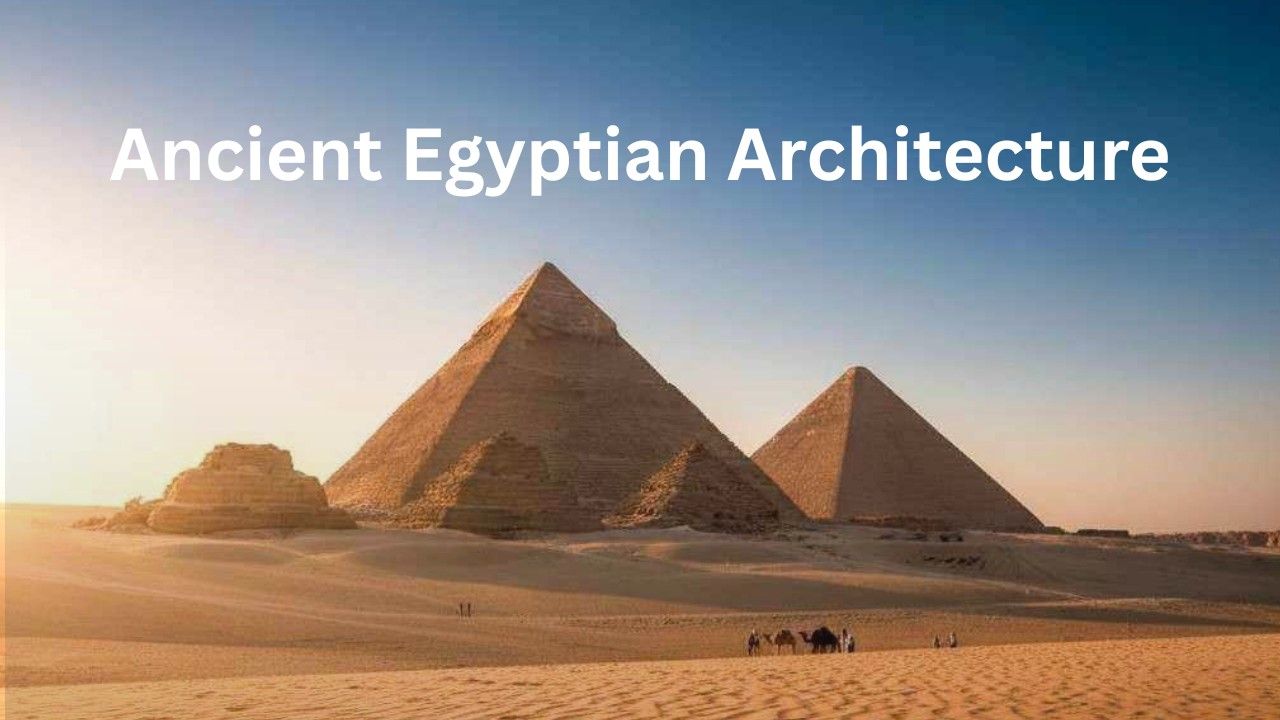
Ancient Egyptian architecture is one of the most iconic and enduring legacies of human civilization. Built along the fertile banks of the Nile, these monumental structures were more than just places of worship or burial – they were symbols of power, spirituality, and cosmic order.
From the towering pyramids of Giza to the grand temples of Karnak and Luxor, Egyptian architects mastered stone construction, symmetry, and alignment with the stars. Their designs reflected a deep connection to religion, the afterlife, and the natural world, leaving behind masterpieces that continue to inspire architects and historians thousands of years later.
Table of Contents
02. Key Characteristics of Ancient Egyptian Architecture
Ancient Egyptian architecture is instantly recognizable for its grandeur, precision, and symbolic depth. The following features define this remarkable style:
- Monumentality and Scale – Egyptian structures were built to impress and endure. Pyramids, temples, and statues were massive, symbolizing the eternal power of pharaohs and gods.
- Use of Durable Materials – Limestone, sandstone, and granite were the primary materials, chosen for their strength and ability to withstand time.
- Post-and-Lintel Construction – Egyptian builders used simple yet effective techniques with vertical columns supporting horizontal beams, creating large, open spaces.
- Axial Planning and Symmetry – Temples and complexes were laid out along a straight axis, guiding visitors from the outer world into sacred inner sanctuaries.
- Celestial Alignment – Many monuments were aligned with the sun, stars, or solstices, reflecting the Egyptians’ advanced knowledge of astronomy.
- Hieroglyphic Inscriptions and Reliefs – Walls, columns, and entrances were richly decorated with carvings, depicting gods, pharaohs, and daily life scenes.
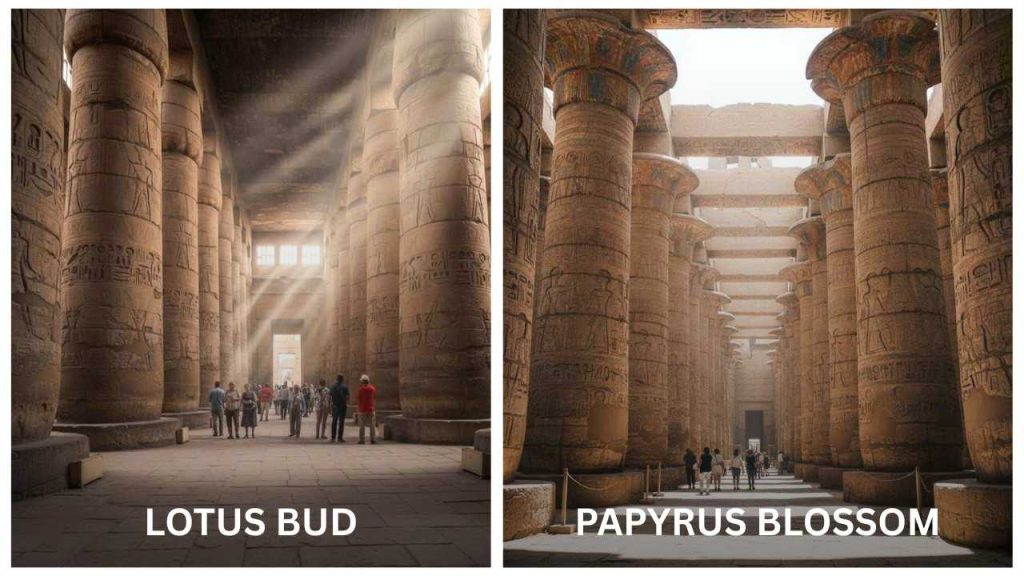
- Symbolic Elements – Columns were shaped like papyrus, lotus, or palm plants, connecting architecture with the Nile and Egypt’s life-giving nature.
These elements made Egyptian architecture not only functional but deeply spiritual, designed to connect the earthly and the divine.
03. The Pyramids: Engineering Marvels
The pyramids are perhaps the most iconic symbols of Ancient Egyptian architecture. Built as grand tombs for pharaohs, they were designed to ensure a safe passage to the afterlife and to display the power and divinity of Egypt’s rulers.
- The Step Pyramid of Djoser – Located at Saqqara, this was the first pyramid ever built (c. 2670 BCE) and is considered the earliest large-scale cut-stone construction. Designed by the architect Imhotep, it introduced the concept of stacking mastabas to create a stepped form.
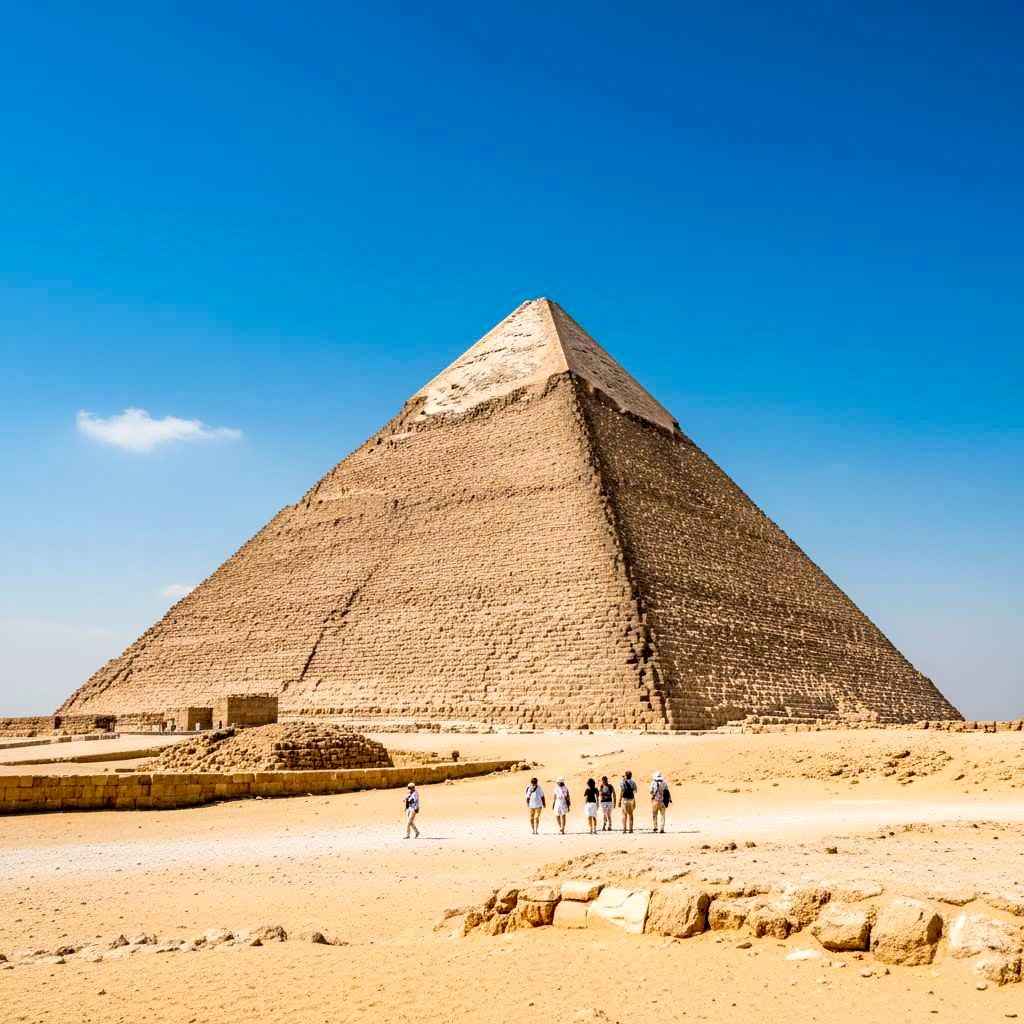
- The Great Pyramid of Giza – The largest and most famous of all pyramids, built for Pharaoh Khufu around 2560 BCE. Originally standing at 146 meters (481 ft), it was the tallest man-made structure in the world for over 3,800 years.
- Precision Engineering – The pyramids were constructed with astonishing accuracy. The Great Pyramid’s sides are closely aligned with the cardinal directions, and its base is almost perfectly square.
- Construction Techniques – Massive limestone and granite blocks were transported from quarries using ramps, sledges, and human labor. The exact methods remain a subject of fascination and debate among historians and engineers.
- Symbolism – The pyramid’s triangular shape represented the rays of the sun, connecting the pharaoh’s soul with Ra, the sun god.
The pyramids were more than tombs; they were spiritual machines designed to ensure the eternal life of the pharaoh and maintain cosmic order, or ma’at.
You can read more about the history of architecture by following the link.
04. Temples of the Gods
While pyramids honored the pharaohs, temples were built to glorify the gods and serve as centers of religious and cultural life. These sacred spaces showcased the Egyptians’ mastery of scale, symmetry, and symbolic design.
- Temple of Karnak – Located in Luxor, Karnak is the largest religious complex ever built. Its Hypostyle Hall contains 134 massive columns, some over 20 meters tall, creating a forest of stone that still inspires awe.
- Temple of Luxor – Dedicated to the rejuvenation of kingship, Luxor Temple was used for important religious festivals, particularly the annual Opet Festival celebrating the link between the pharaoh and the god Amun.
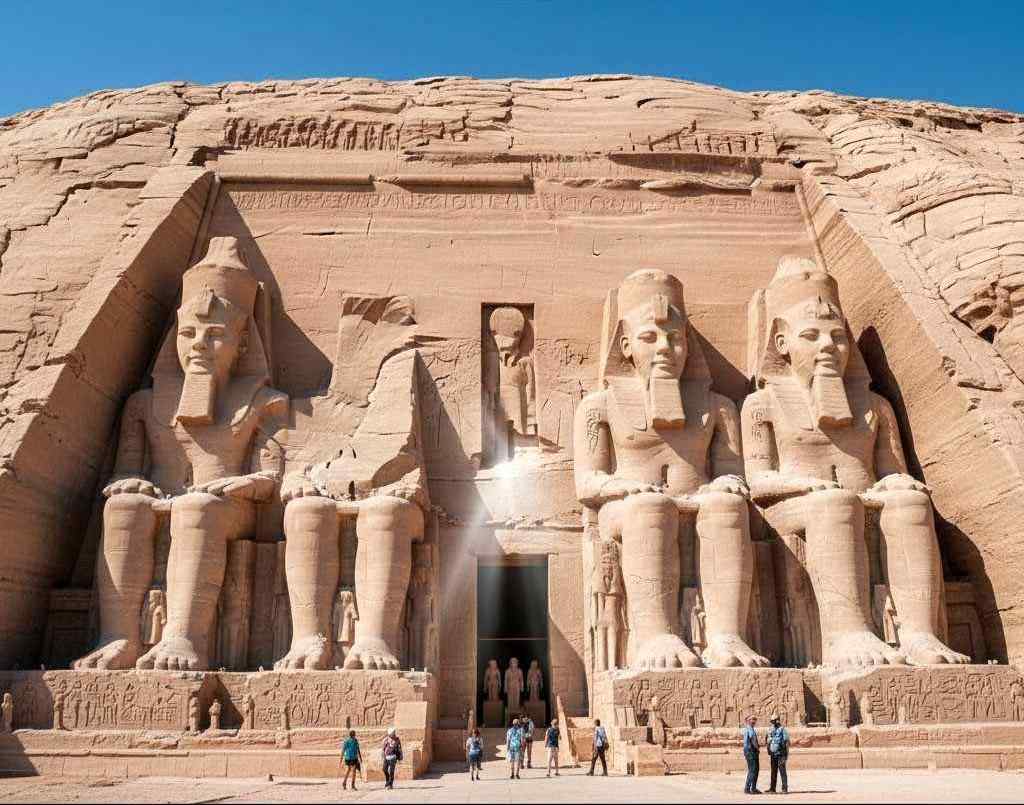
- Abu Simbel Temples – Carved directly into a mountainside by Pharaoh Ramses II, these temples feature colossal statues guarding the entrance. Twice a year, sunlight illuminates the inner sanctuary, showcasing the Egyptians’ precise astronomical knowledge.
- Axial Design – Most temples were built along a straight axis, with gateways, courtyards, hypostyle halls, and sanctuaries leading worshippers deeper into the sacred space.
- Colossal Gateways and Obelisks – Temples were fronted by monumental pylons (gateways) and tall stone obelisks, symbolizing the sun god Ra and serving as markers of divine presence.
Temples were not merely places of worship; they were political, economic, and educational hubs that connected the pharaoh, the gods, and the people.
05. Tombs and Mortuary Architecture
Beyond the pyramids, the ancient Egyptians perfected the art of creating tombs that reflected their deep belief in the afterlife. Tombs were not just burial places but eternal homes for the soul, filled with everything the deceased would need in the next world.
- Valley of the Kings – After the pyramid era, pharaohs of the New Kingdom (c. 1550–1070 BCE) chose to be buried in secret rock-cut tombs in the Valley of the Kings near Thebes (modern-day Luxor). This hidden location helped protect royal tombs from tomb robbers.
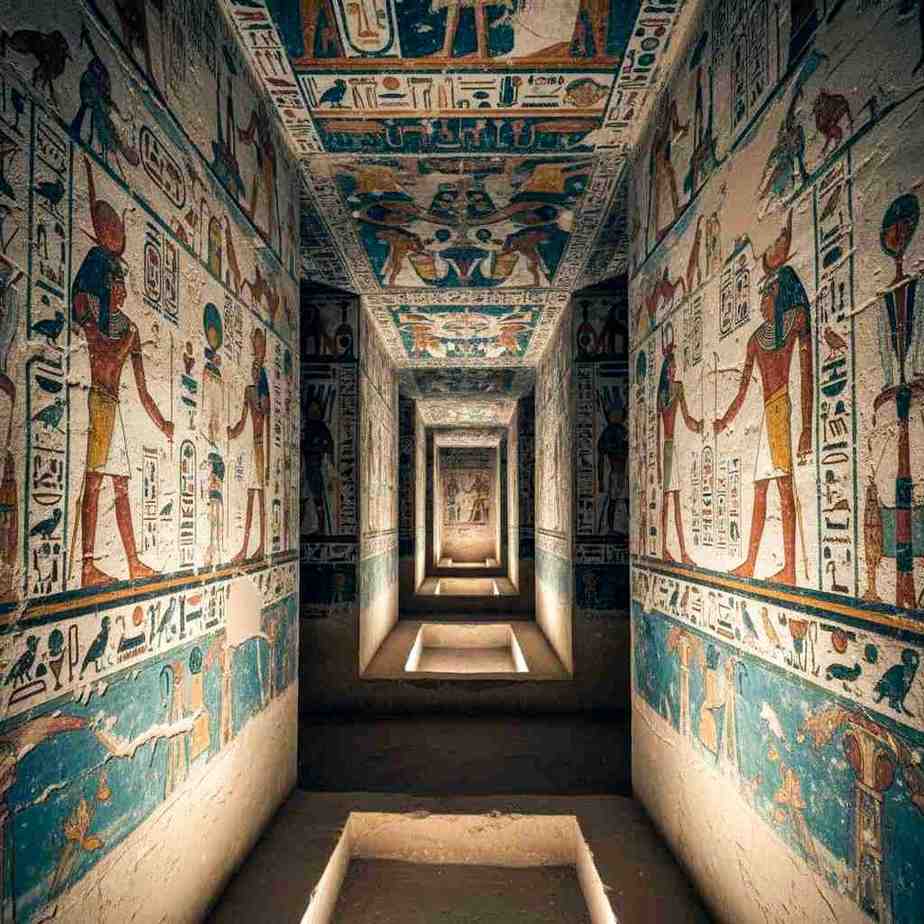
- Rock-Cut Tombs – These tombs featured long corridors, chambers, and burial halls carved into cliffs. Walls were richly decorated with scenes from the Book of the Dead, showing the journey of the soul and rituals for the afterlife.
- Mortuary Temples – Separate from tombs, mortuary temples like the Temple of Hatshepsut at Deir el-Bahari were built for priests to perform offerings and rituals to honor the deceased pharaoh.
- Tomb Goods – Tombs were stocked with furniture, jewelry, food, and even chariots, ensuring the deceased would live comfortably in eternity.
- Symbolic Design – The layout of tombs often represented the journey from life to death, moving deeper into darkness as one approached the burial chamber.
These tombs reveal much about Egyptian religion, daily life, and art — providing a window into a civilization obsessed with immortality and cosmic order.
06. Art & Symbolism
Art and architecture were inseparable in ancient Egypt. Every column, carving, and statue carried deep symbolic meaning, turning each structure into a story about the gods, the pharaoh, and the order of the universe.
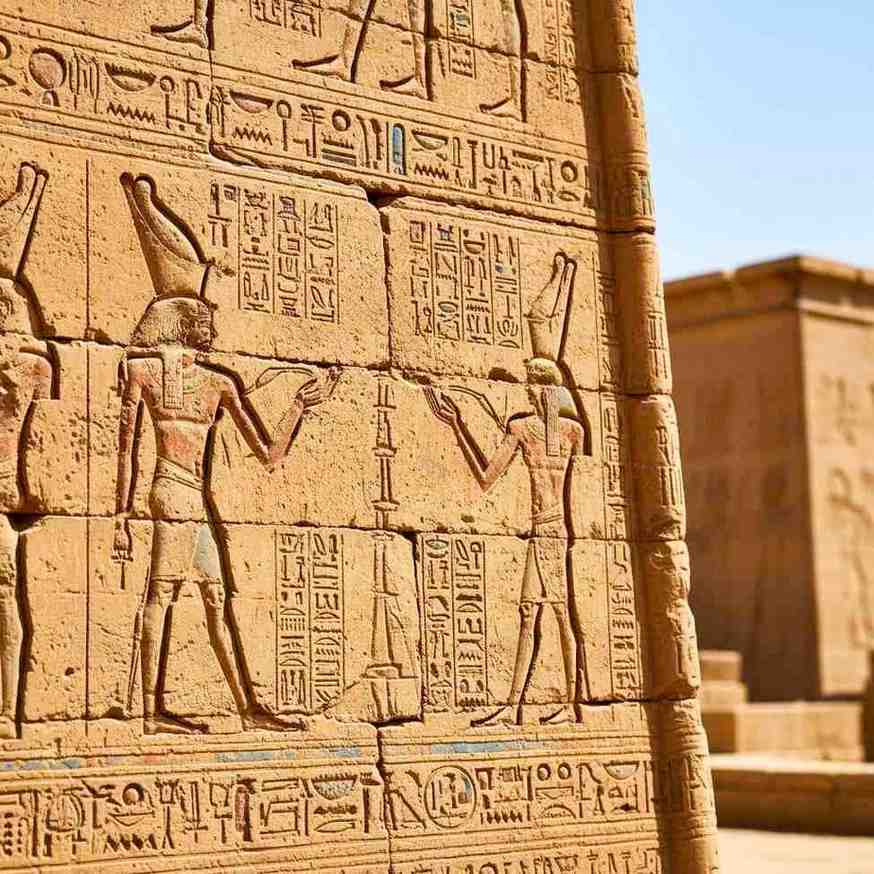
- Hieroglyphic Inscriptions – Walls and columns were inscribed with hieroglyphs telling stories of victories, religious rituals, and offerings to the gods. These inscriptions were not just decorative but magical, believed to give life to the words.
- Relief Carvings and Paintings – Temples and tombs were filled with low-relief carvings depicting gods, pharaohs, and scenes from daily life. Bright mineral-based paints brought these scenes to life.
- Symbolic Columns – Egyptian columns were inspired by nature, with capitals shaped like lotus buds, papyrus plants, or palm fronds — all symbols of life and regeneration.
- Sphinxes and Statues – Rows of sphinxes often lined processional ways leading to temples, serving as protectors of sacred spaces. Colossal statues of pharaohs projected power and divine authority.
- Color and Symbolism – Each color held meaning: gold for the divine, green for fertility, blue for the sky and Nile, and black for rebirth.
Egyptian art and symbolism ensured that architecture was never purely functional — it was spiritual, political, and eternal, designed to maintain harmony between the gods, the king, and the cosmos.
07. Legacy and Influence
The influence of Ancient Egyptian architecture stretches far beyond the banks of the Nile. Its emphasis on monumentality, symmetry, and symbolism inspired later civilizations — and continues to fascinate architects today.
- Greek and Roman Inspiration – The Greeks borrowed the idea of monumental stone temples and column designs, while the Romans adopted the obelisk, transporting many from Egypt to Rome.
- Neoclassical and Egyptian Revival – During the 18th and 19th centuries, Egyptian motifs such as pylons, sphinxes, and hieroglyphic-inspired designs appeared in European and American architecture.
- Modern Architecture – Contemporary architects often draw inspiration from Egyptian proportions, axial planning, and the concept of integrating architecture with the landscape.
- Global Icon – The pyramids and temples remain UNESCO World Heritage sites, attracting millions of visitors every year and serving as enduring symbols of human ingenuity.
08. Opening Hours & Entry Fees
Opening Hours: Daily: 7:00 AM to 4:00 PM
| Description | EGP | USD |
| General Admission (Giza Plateau) | ||
| Adults: | 700 | 14.5 |
| Students (with valid ID): | 350 | 7.5 |
| Inside Pyramid Access: | ||
| Great Pyramid of Khufu: | 1500 | 30 |
| Pyramid of Khafre: | 280 | 6 |
| Pyramid of Menkaure: | 200 | 4 |
Additional Attractions:
- Sphinx Viewing: No entry inside; visitors can view from designated areas.
- Camel or Horse Rides: Prices vary; it’s advisable to negotiate rates beforehand.
Payment Methods
- Accepted Payments: Credit cards are accepted on-site.
- Online Booking: Tickets can be purchased through official platforms like egymonuments.com.
Discounts for Egyptian and Arab Nationals
- Adults: EGP 60
- Students: EGP 30
These discounted rates are available with valid ID
09. Conclusion
Ancient Egyptian architecture is more than just a collection of impressive monuments -it is a testament to a civilization’s quest for immortality, order, and connection to the divine.
The pyramids, temples, and tombs stand as a bridge between earth and sky, life and afterlife, ruler and god. Thousands of years later, they still inspire wonder, reminding us of the creativity and engineering brilliance of one of history’s greatest cultures.
10. FAQ.
01. What was the architecture in Ancient Egypt?
Ancient Egyptian architecture was characterized by monumental structures, precise geometric designs, and symbolism reflecting religious beliefs and the afterlife. It included massive temples, pyramids, tombs, and palaces built mainly with stone, emphasizing durability, symmetry, and grandeur.
02. What are three types of Egyptian architecture?
The three main types of Ancient Egyptian architecture are:
I. Pyramids – Monumental tombs for pharaohs, such as the Great Pyramid of Giza.
II. Temples – Religious structures dedicated to gods, featuring massive columns and decorated walls.
III. Tombs and Mastabas – Burial structures for nobles and officials, often underground or with flat-roofed designs.
03. What are the columns of Egyptian architecture?
Egyptian columns were massive, often carved from stone, and inspired by natural forms like plants. Common types include:
I. Lotus columns – Shaped like lotus flowers, symbolizing creation.
II. Papyrus columns – Modelled after papyrus plants, symbolizing life and growth.
III. Palmiform columns – Resembling palm trees, often used in temple halls.