Introduction
Minimalist architecture for houses is more than just a design trend; it’s a lifestyle choice. Rooted in the philosophy of “less is more,” it focuses on creating spaces that are functional, calming, and timeless.
In today’s fast-paced world, where clutter and noise dominate our lives, minimalist homes offer a peaceful escape, a sanctuary where every element serves a purpose and nothing feels excessive.
Whether you’re building a new house or transforming your current space, this guide will help you understand what minimalist architecture is, its key principles, and how to create your very own minimalist home.
What Is Minimalist Architecture?
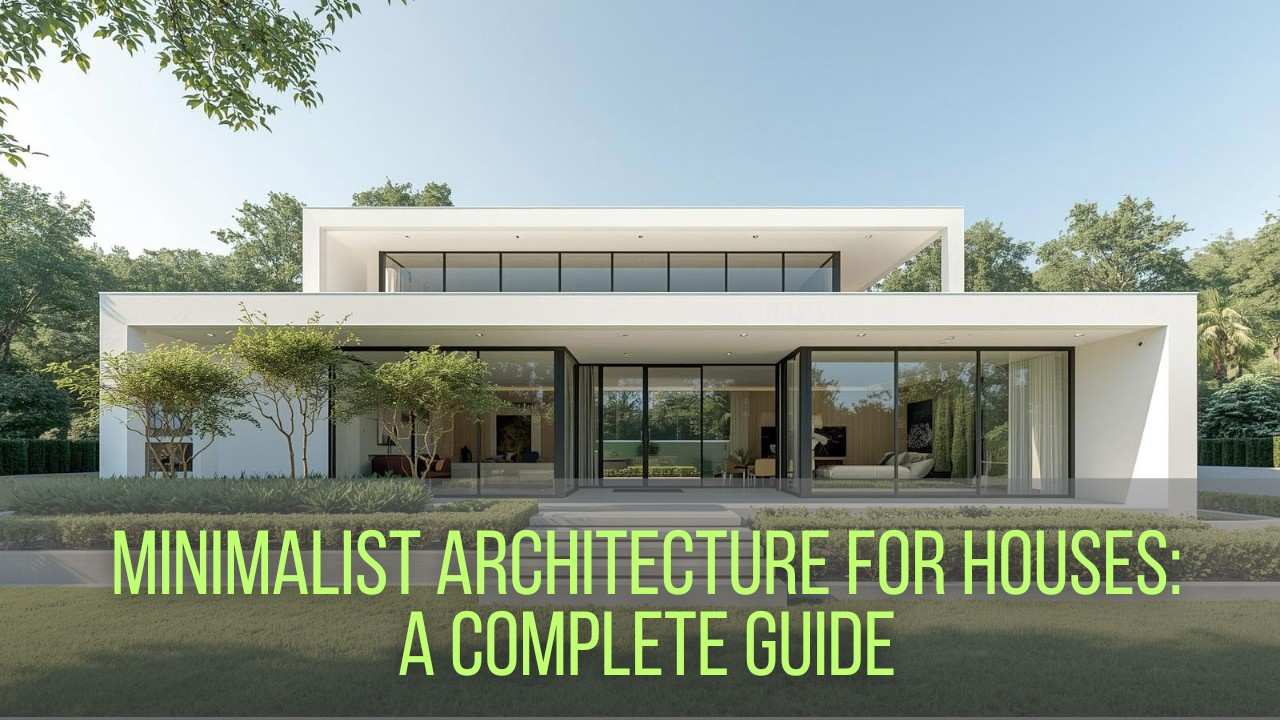
Minimalist architecture is a design style that focuses on simplicity, functionality, and clarity. It removes all unnecessary elements and emphasizes clean lines, open spaces, and natural light. The core idea is “less is more”, every part of the building must have a purpose, and nothing is added just for decoration.
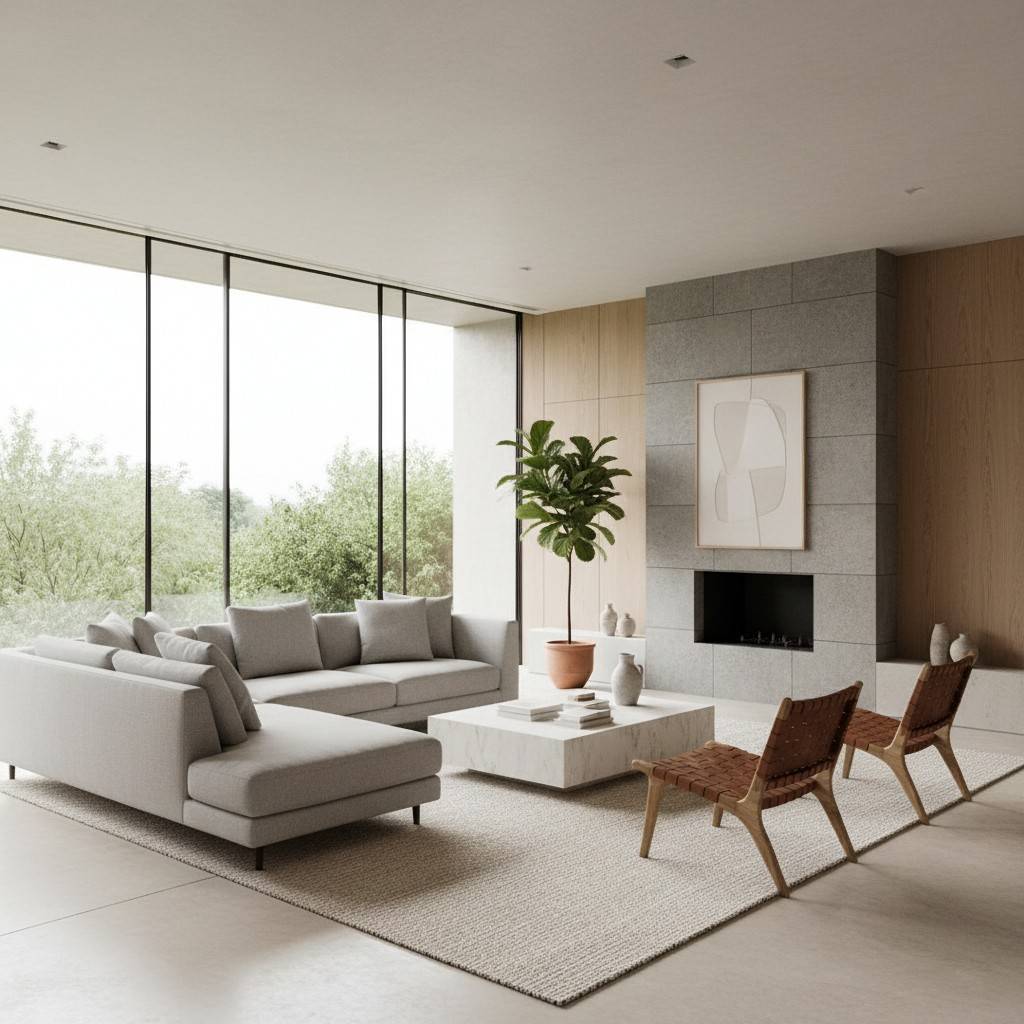
Key Characteristics of Minimalist Architecture:
- Simple Forms & Clean Lines – Geometric shapes and uncluttered design dominate.
- Open Floor Plans – Spaces feel larger and more connected.
- Neutral Colors – Whites, grays, and natural tones create a calm atmosphere.
- Natural Light – Large windows and skylights make interiors bright and airy.
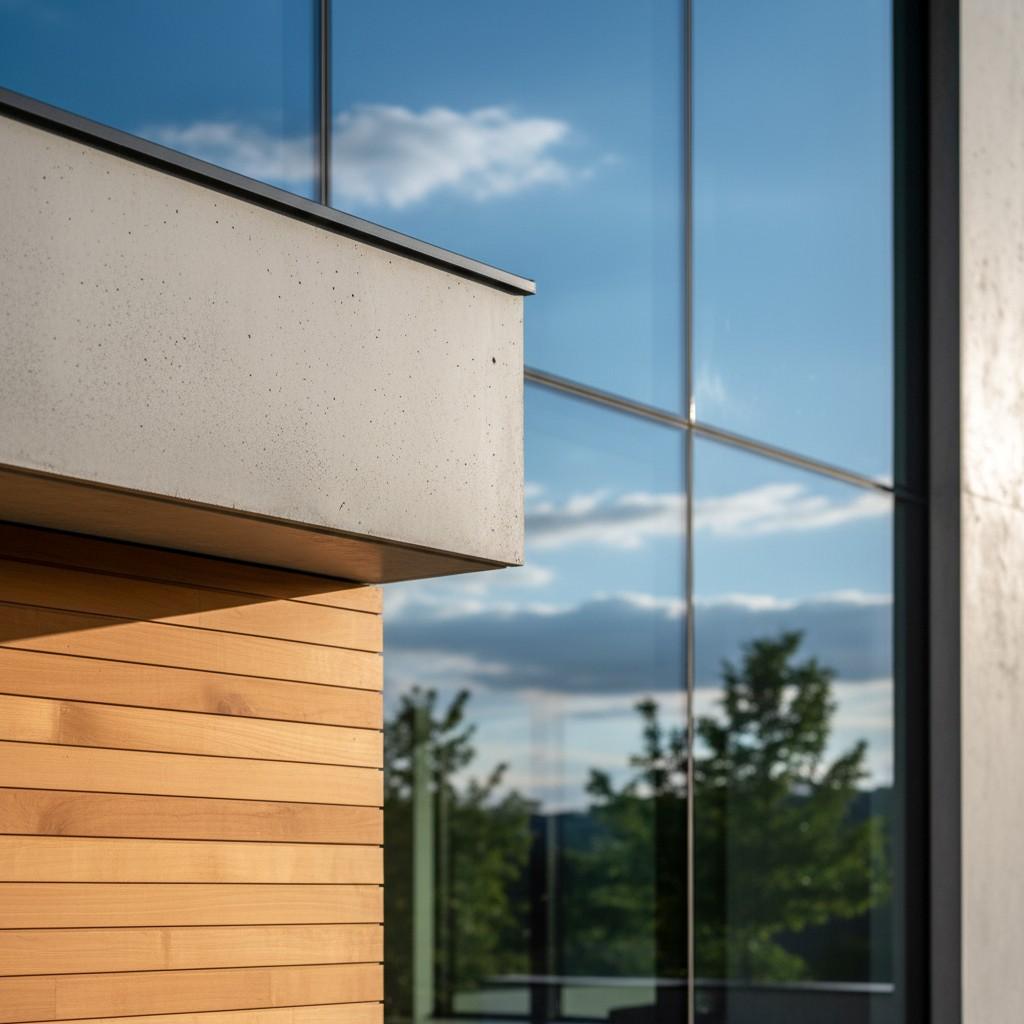
- Quality Materials – Wood, glass, concrete, and stone are used thoughtfully.
Minimalist architecture is not just a style — it’s a lifestyle that promotes calm, focus, and intentional living.
Table of Contents
Key Principles of Minimalist Home Design
Minimalist home design is all about creating spaces that feel calm, uncluttered, and intentional. Here are the core principles that define this style:
1. Simplicity & Clean Lines
Minimalist homes avoid unnecessary details and ornamentation. Straight edges, geometric shapes, and smooth finishes create a clean, elegant look.
2. Open & Functional Spaces
Open floor plans allow living, dining, and kitchen areas to flow together. This not only makes a space feel larger but also encourages natural light and social connection.
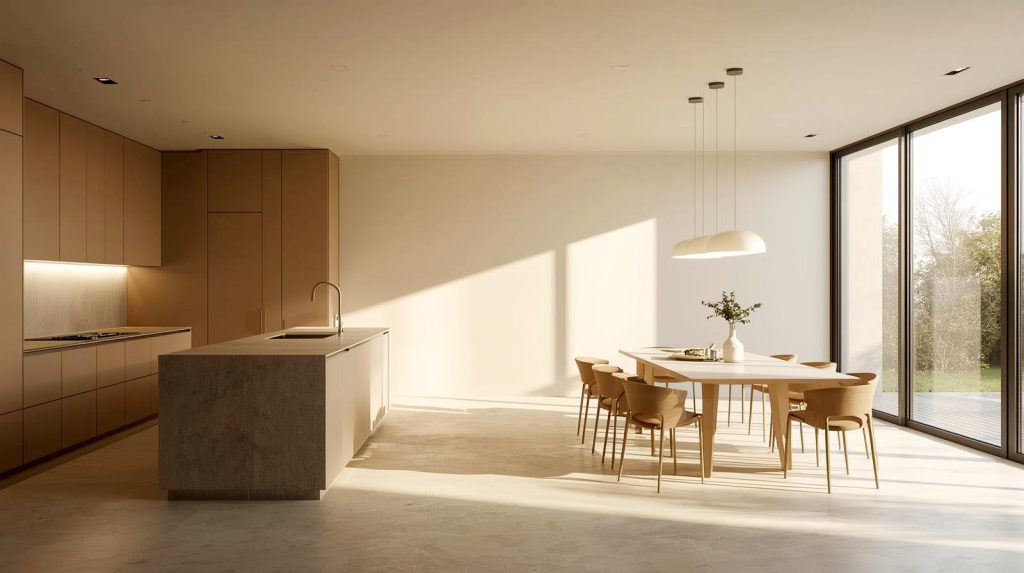
3. Neutral Color Palette
Soft whites, beiges, grays, and muted earth tones dominate minimalist interiors. These colors create a soothing environment and highlight architectural features.
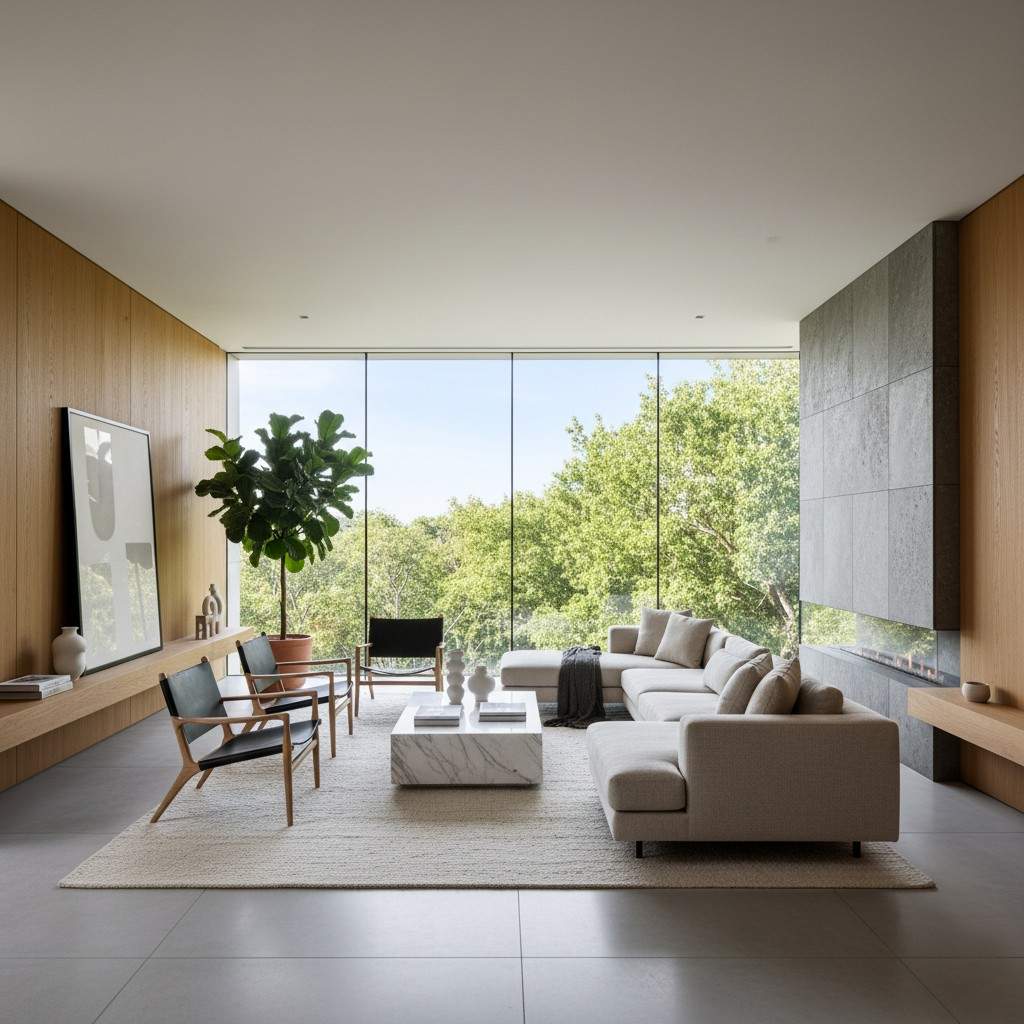
4. Natural Light & Connection to Nature
Large windows, skylights, and glass doors flood interiors with light. Natural light reduces the need for artificial lighting and creates a strong connection to the outdoors.
5. Quality Over Quantity
Minimalism values craftsmanship and durability. Fewer pieces of furniture and décor are used, but they are chosen carefully for their function and aesthetic quality.
6. Hidden Storage & Decluttering
Built-in cabinets and clever storage solutions keep everyday items out of sight, maintaining a clean and organized look.
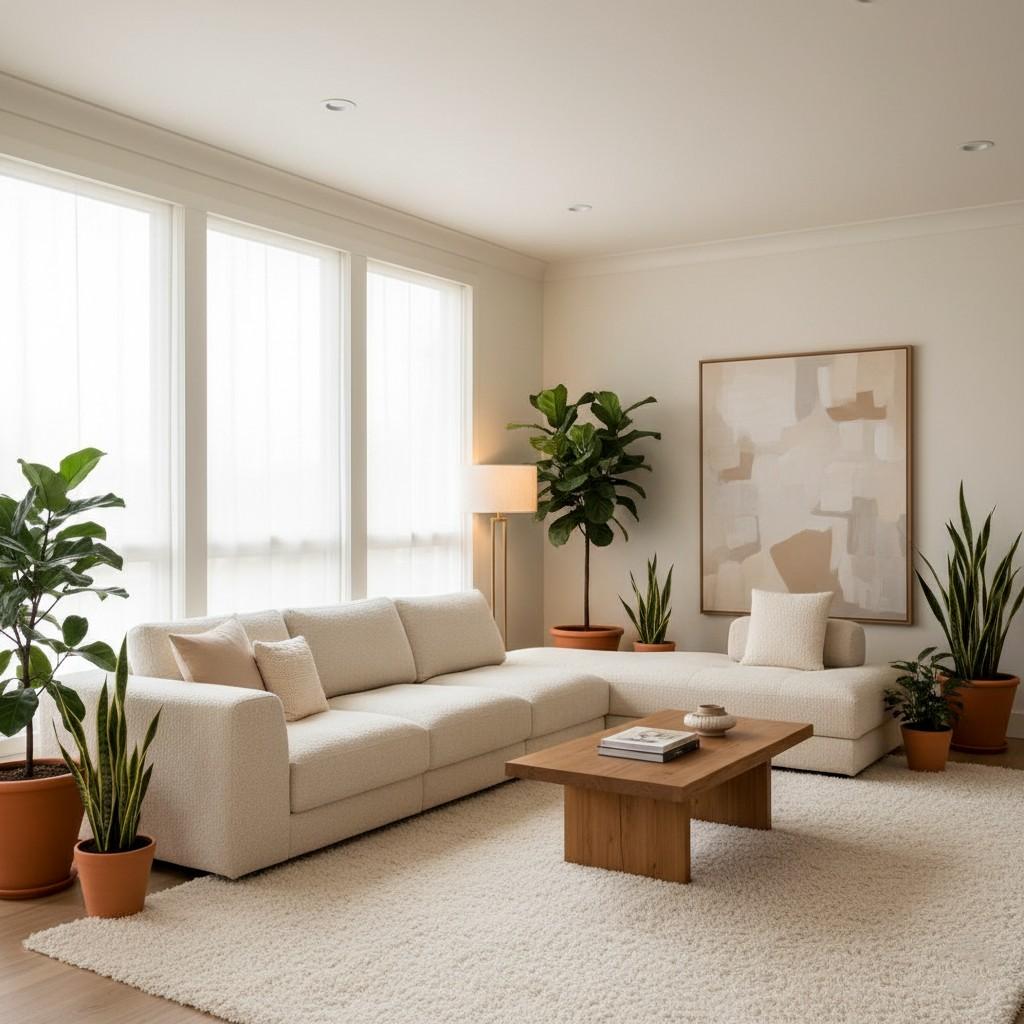
7. Warmth Through Materials & Textures
While minimalist design can look sleek, it doesn’t have to feel cold. Natural materials like wood, stone, and textiles add warmth and comfort.
Benefits of Minimalist Architecture for Houses
Minimalist architecture goes beyond aesthetics — it transforms how you live. Here are the major benefits homeowners enjoy when adopting this style:
1. Calm, Clutter-Free Living
A minimalist home eliminates visual noise. With fewer objects and more open space, your mind can relax, leading to a more peaceful and stress-free environment.
2. Maximized Natural Light
Minimalist homes are designed with large windows and open layouts, allowing sunlight to fill the space. This improves mood, reduces electricity use, and creates a connection with nature.
3. Better Functionality
Every element in a minimalist house serves a purpose — no wasted space or unnecessary features. This makes rooms more practical and easier to use.
4. Low Maintenance & Easy Cleaning
Fewer objects and surfaces mean less time spent cleaning and maintaining. The result is a home that stays tidy with minimal effort.
5. Cost-Effective in the Long Run
Although quality materials can have a higher upfront cost, the design focuses on efficiency, durability, and timeless appeal — reducing the need for frequent updates or renovations.
6. Timeless, Elegant Style
Minimalist architecture is not tied to fleeting trends. Its clean lines and neutral palette ensure your home remains stylish for years to come.
7. Supports Sustainability
Using fewer materials and prioritizing natural light makes minimalist homes more eco-friendly and energy efficient.
How to Create a Minimalist Home
Creating a minimalist home doesn’t mean stripping everything away — it’s about designing a space that feels calm, functional, and intentional. Here’s a step-by-step guide to help you transform your house:
1. Start with Decluttering
Go room by room and remove anything that isn’t essential or meaningful. Donate, sell, or recycle items you no longer use. The goal is to create breathing space and reduce visual clutter.
2. Choose a Neutral Color Palette
Opt for whites, beiges, soft grays, and muted earth tones. These shades create a serene backdrop and make rooms feel bigger and brighter.
3. Embrace Open Layouts
If possible, open up spaces by connecting living, dining, and kitchen areas. This enhances natural light flow and makes the house feel airy.
4. Invest in Quality, Not Quantity
Select a few well-crafted furniture pieces rather than filling every corner. Choose multi-functional items (like a storage ottoman or built-in seating) to maximize utility.
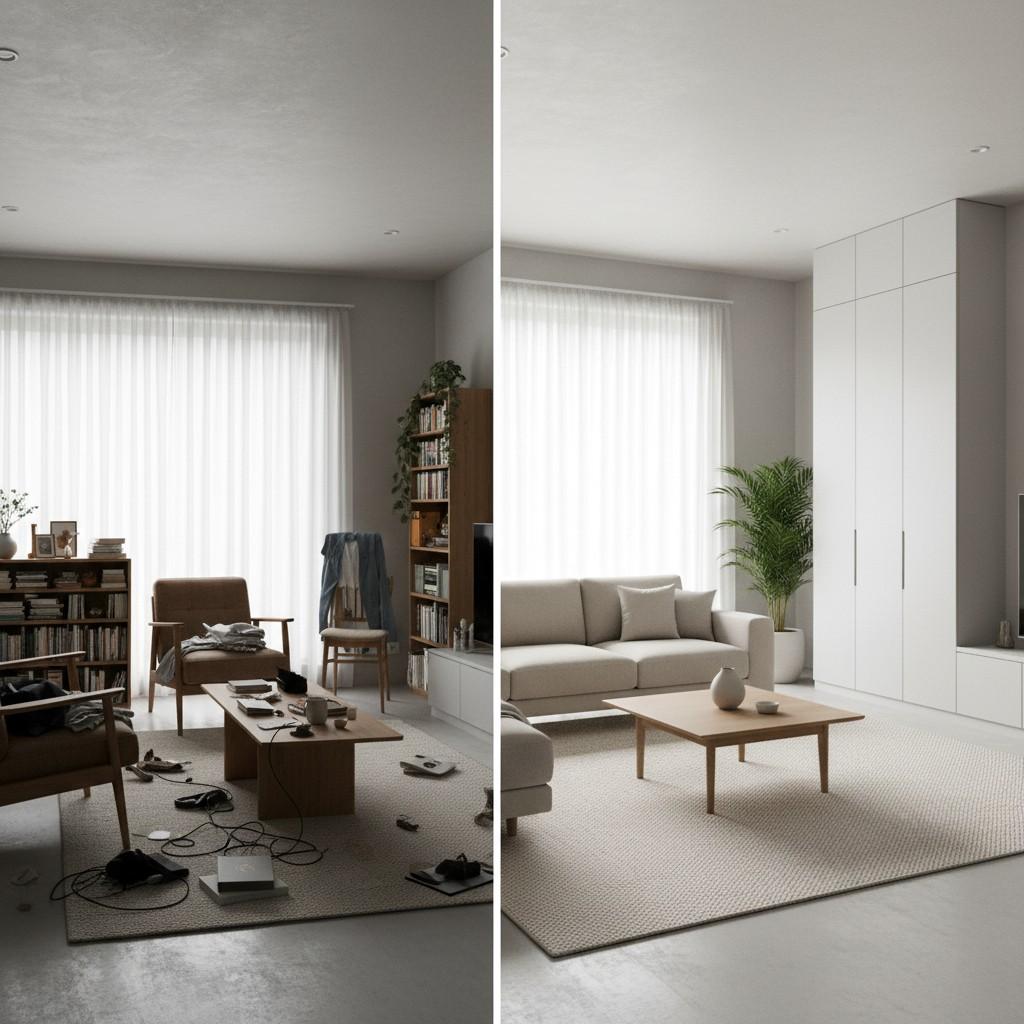
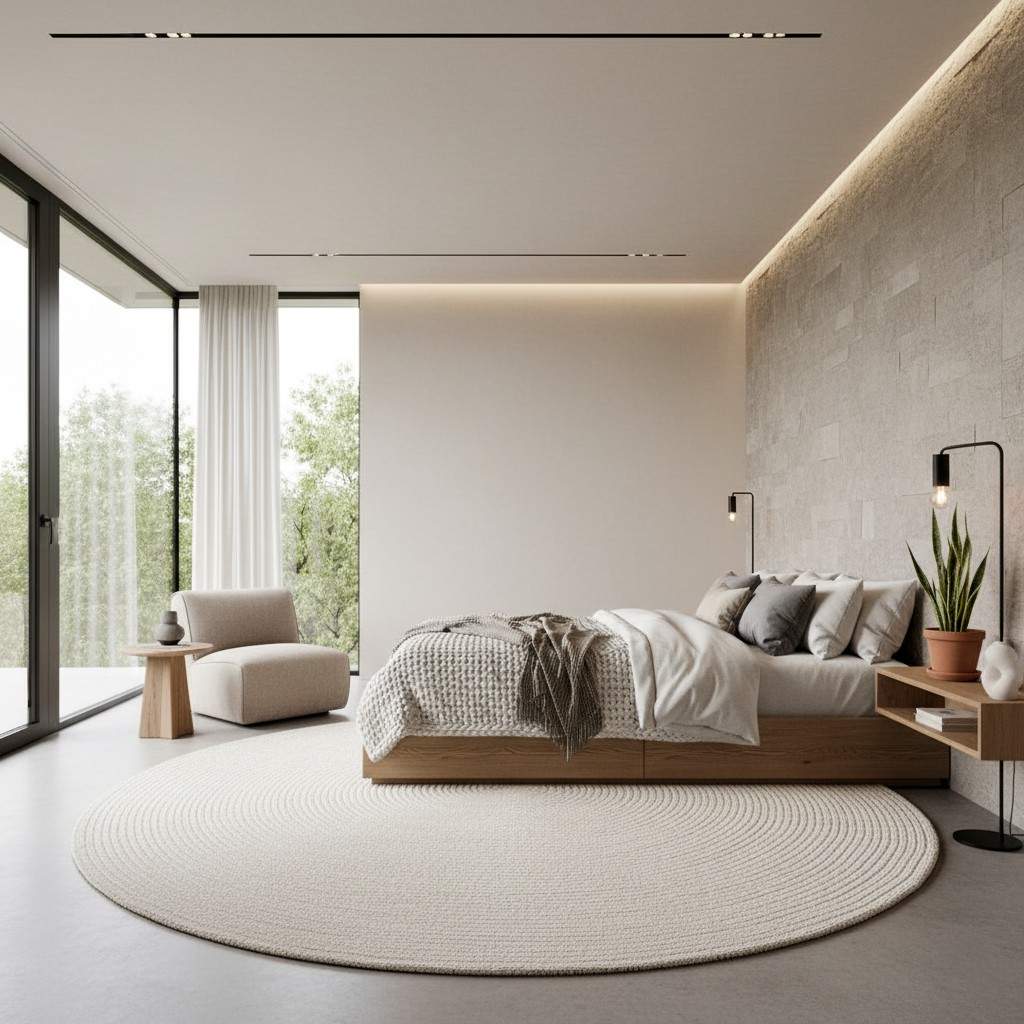
5. Use Hidden Storage Solutions
Built-in cabinets, under-bed storage, and wall shelves keep everyday items organized and out of sight.
6. Add Warmth with Natural Materials
Balance the simplicity of minimalism with wood, stone, textiles, and greenery. These elements make the space feel welcoming rather than sterile.
7. Focus on Natural Light & Simple Décor
Use large windows, sheer curtains, and mirrors to amplify daylight. When adding décor, pick a few statement pieces instead of many small items.
Common Mistakes to Avoid
Minimalist architecture is about simplicity and functionality, but it’s easy to take it too far. Here are common mistakes homeowners make and how to avoid them:
1. Making Spaces Too Empty or Cold
Minimalism doesn’t mean a completely bare home. Without warmth, rooms can feel sterile. Balance clean lines with textures, rugs, cushions, or warm lighting.
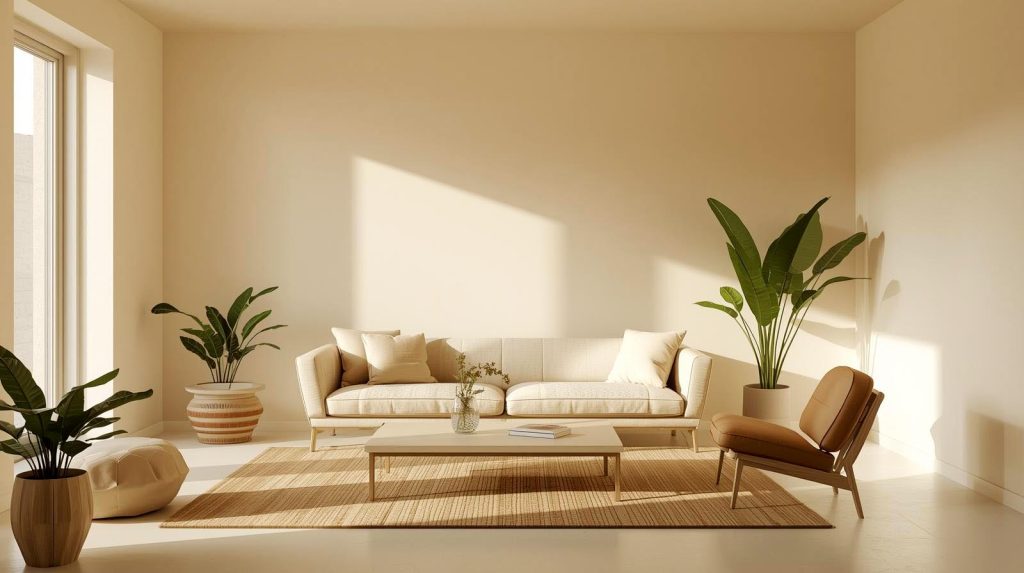
2. Overusing White or Neutral Colors
Using only white or gray can make spaces feel flat. Introduce natural tones, wood accents, or greenery to add depth and interest.
3. Ignoring Personal Touches
Minimalism isn’t about removing personality. Carefully chosen artwork, plants, or a few décor items can make a home feel lived-in while staying uncluttered.
4. Choosing Style Over Functionality
A beautiful piece that doesn’t serve a purpose can disrupt the minimalist principle. Every item should be both practical and visually harmonious.
5. Neglecting Storage Solutions
Without smart storage, clutter will accumulate quickly. Incorporate built-in cabinets, concealed shelves, or multi-functional furniture to maintain a clean environment.
6. Forgetting Natural Light
Minimalist spaces rely on light to feel open and airy. Avoid heavy curtains or poorly placed partitions that block sunlight.
Conclusion
Minimalist architecture for houses is more than just a design style; it’s a way of life. By embracing simplicity, clean lines, and purposeful design, homeowners can create spaces that are calm, functional, and timeless.
Minimalist homes reduce clutter, maximize natural light, and emphasize quality over quantity, offering both practical and aesthetic benefits.
Whether you’re planning a new build or revamping your current home, adopting minimalist principles can help you transform your space into a serene sanctuary. Start small, focus on what truly matters, and let your home reflect both elegance and intentional living.
FAQ
What is minimalist architecture?
Minimalist architecture is a design style focused on simplicity, functionality, and clean lines. It removes unnecessary elements, emphasizes open spaces, natural light, and neutral colors, and prioritizes quality over quantity in materials and furnishings.
What are the key principles of minimalist home design?
The key principles include:
I. Simplicity & Clean Lines – geometric shapes, uncluttered forms
II. Open Layouts & Natural Flow – spaces feel airy and connected
III. Neutral Colors – whites, beiges, and grays
IV. Natural Light – large windows and skylights
V. Quality Materials & Functional Furniture – fewer items, higher durability
What are the benefits of minimalist architecture for houses?
Minimalist architecture improves both lifestyle and aesthetics. Benefits include:
I. Calm and clutter-free living
II. Maximized natural light
III. Low maintenance and cost-effective
IV. Timeless, elegant design
V. Better functionality and sustainability