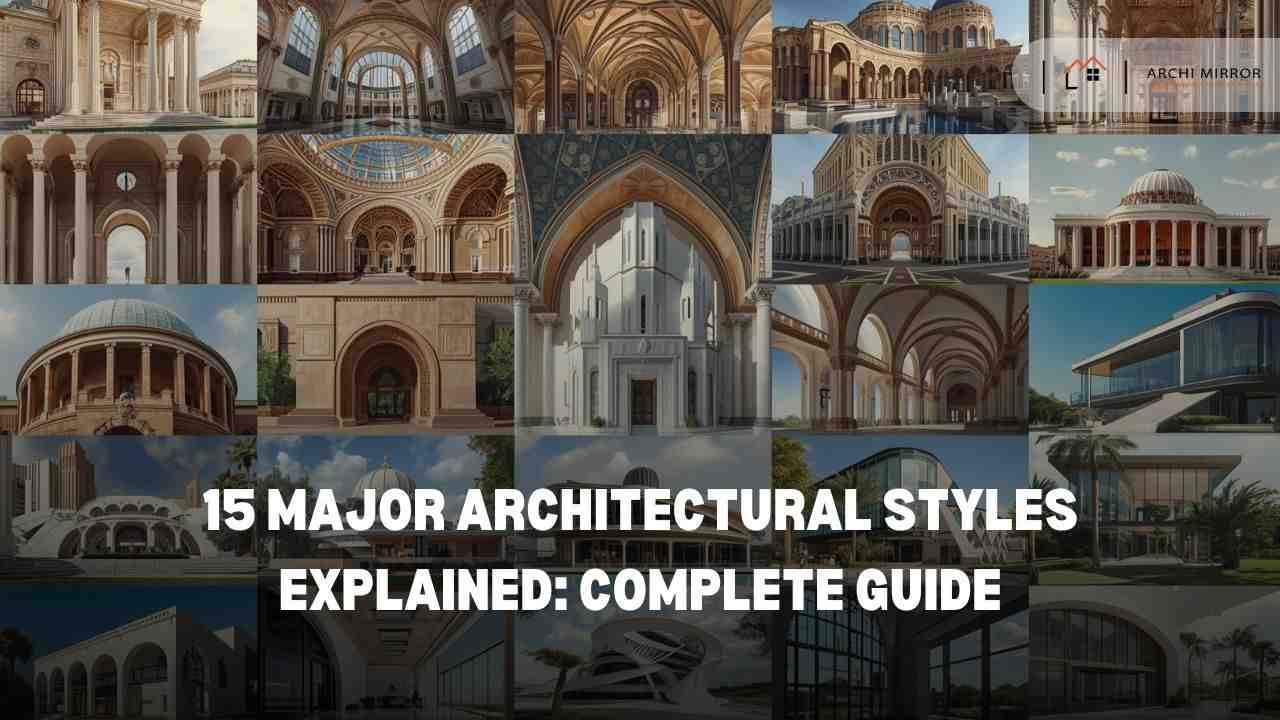
Types of Architectural Styles: A Complete Guide for Modern Readers
Architecture is the language of spaces; every structure tells a story shaped by culture, technology, materials and creative expression. Over centuries, different architectural styles emerged, each defined by unique characteristics that reflect the values and tools of its time.
Whether you’re a design enthusiast, student, architect or homeowner exploring new inspirations, understanding these architectural styles will help you see buildings with a more informed eye.
Below is a comprehensive guide to the major architectural styles that shaped the world.
Read More About Modern Architecture.
Table of Contents
1. Classical Architecture

Classical architecture originates from ancient Greece and Rome, and is built on strong principles of symmetry, proportion and order. It features iconic columns; Doric, Ionic and Corinthian; grand pediments, domes and use of marble.
Neoclassical architecture revived this style in the 18th and 19th centuries with cleaner lines and monumental scale. Today, classical principles still influence civic buildings, museums and academic institutions.
2. Medieval Architecture
Architectural Styles: Medieval styles developed between the 5th and 15th centuries, each representing the technological and religious values of its era.
Romanesque
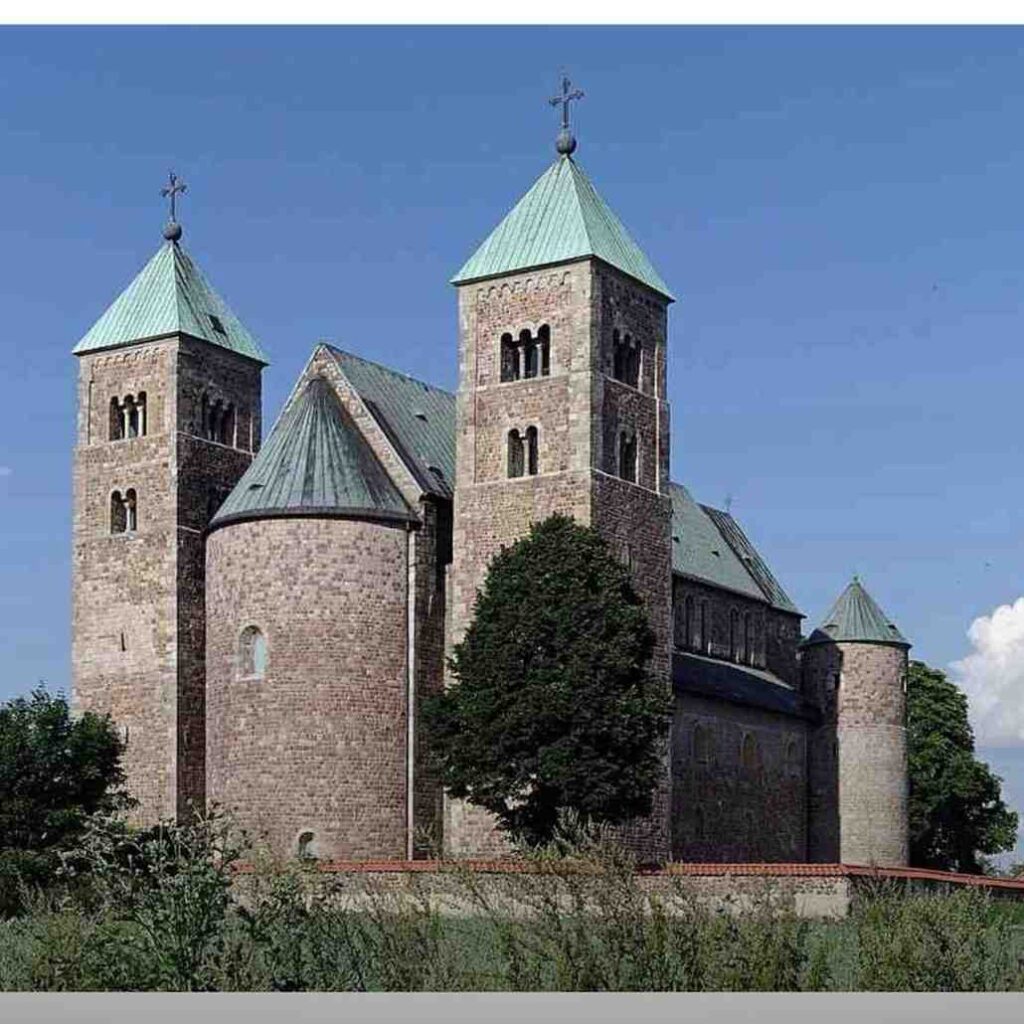
Known for thick walls, rounded arches, heavy stone construction and fortress-like forms. Structures feel strong and grounded, often decorated with carved portals and small windows.
Gothic

Gothic architecture introduced height, light and dramatic ornamentation. Flying buttresses, ribbed vaults and pointed arches allowed tall, slender structures with stained-glass windows. Cathedrals like Notre Dame are iconic examples.
Byzantine
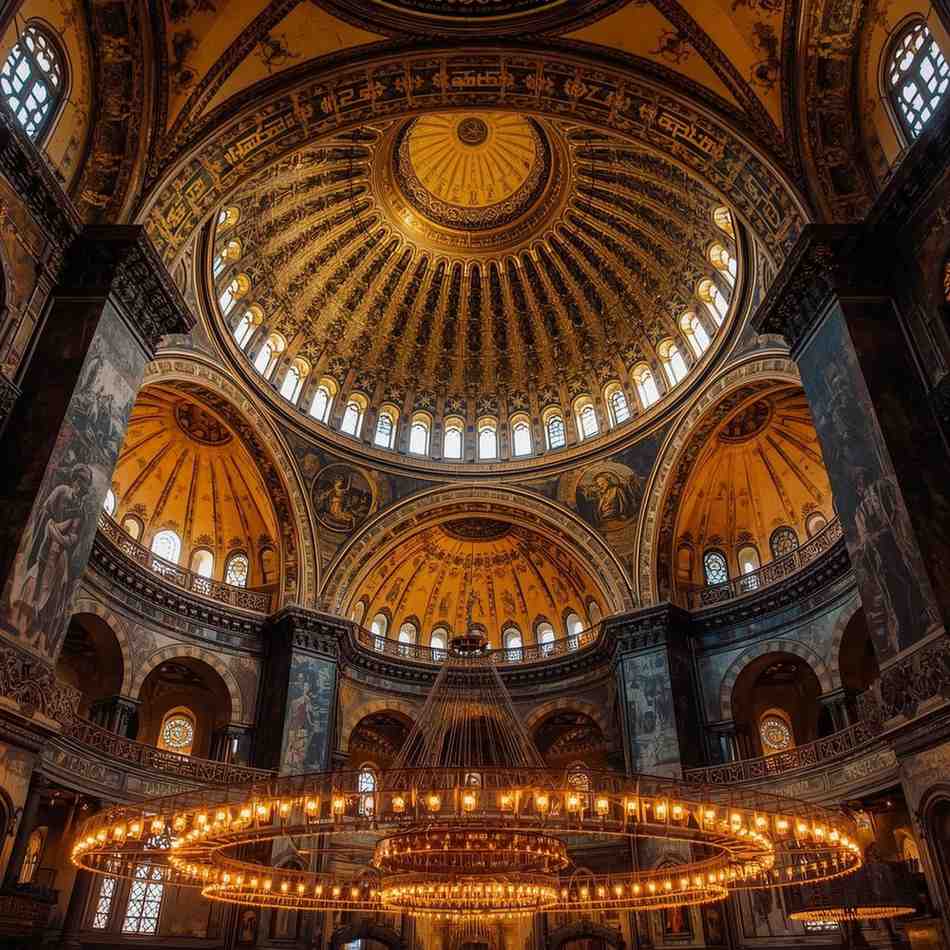
Architectural Styles: Characterized by domes on square bases, gold mosaics and richly decorated interiors. It merges Roman engineering with Eastern artistic influences.
Tudor
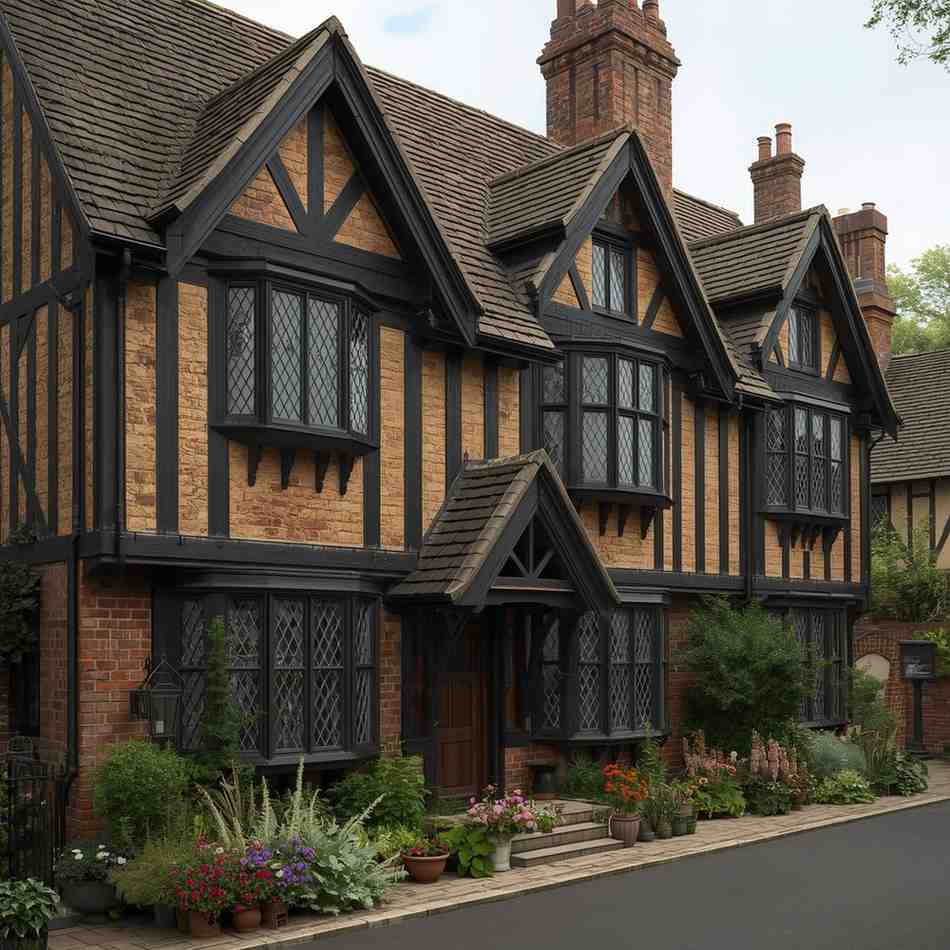
Recognizable by steep gable roofs, timber framing, brick façades and masonry chimneys. It is commonly seen in English domestic architecture.
3. Vernacular Architecture
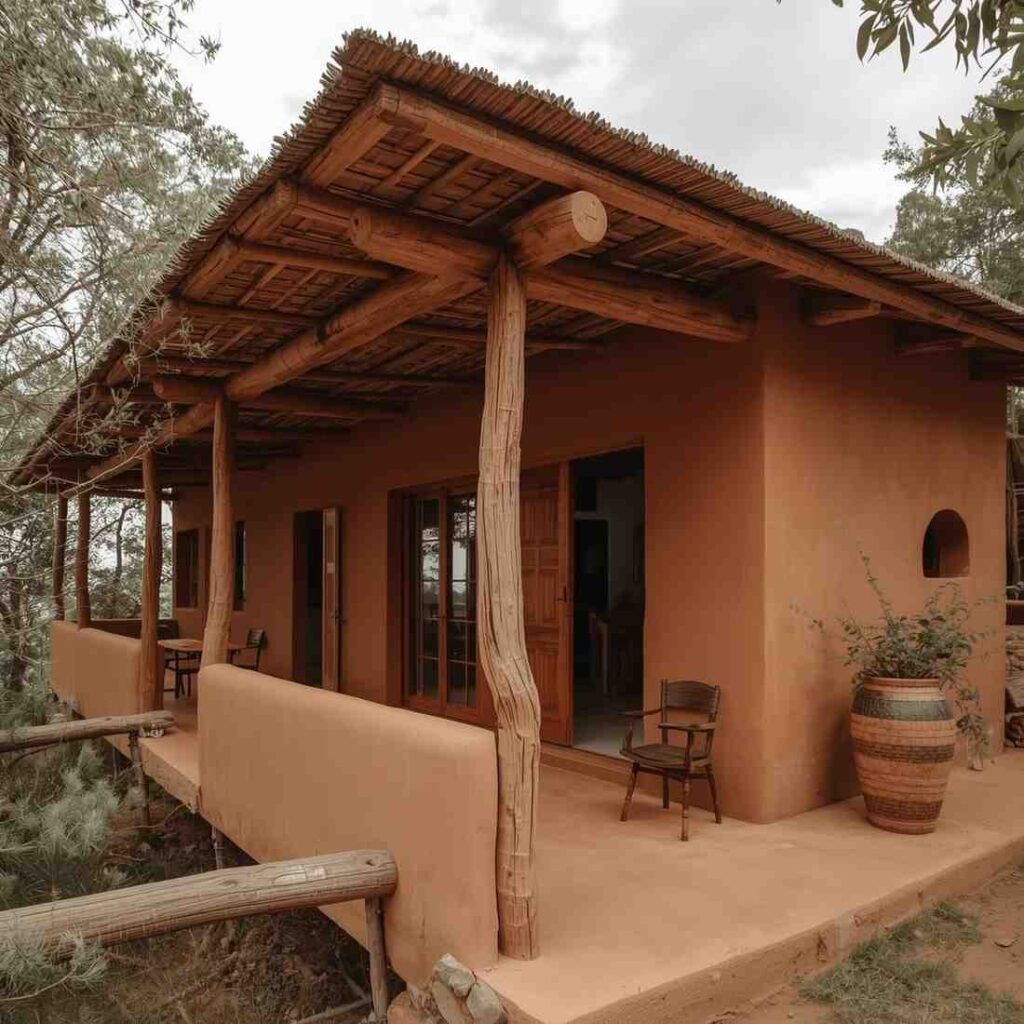
Vernacular architecture is defined by local climate, materials and culture. Examples include Sri Lankan wattle-and-daub houses, Japanese Minka, Mediterranean stone homes and African thatched-roof huts. These structures prioritize function, environment and community traditions. Today, vernacular principles inspire sustainable architecture worldwide.
4. Renaissance Architecture

Emerging in the 14th century, Renaissance architecture brought back classical ideas with a focus on symmetry, geometry and proportion. Use of columns, arches, domes and orderly façades define this style. Buildings appear harmonious and balanced, reflecting the rebirth of art, science and humanist thinking.
5. Baroque & Rococo
Baroque
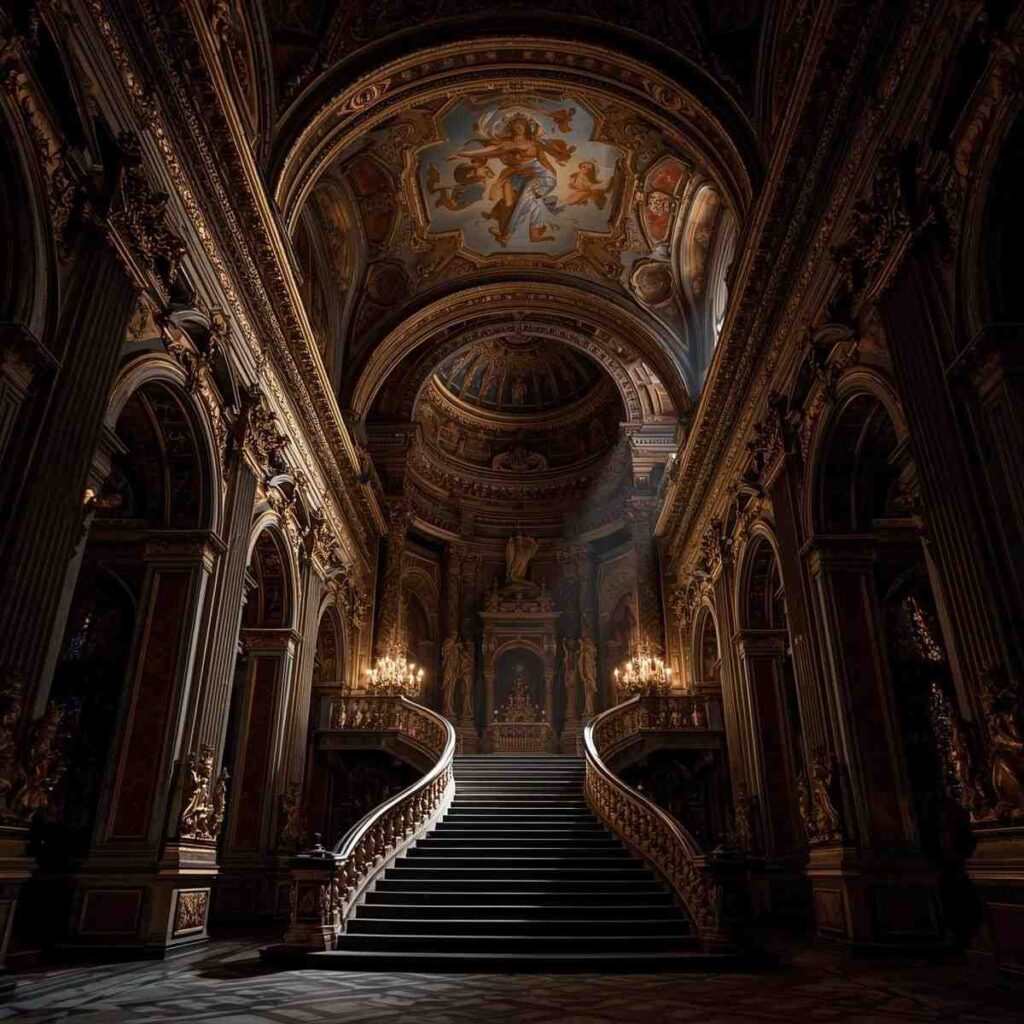
Baroque style is dramatic, grand and filled with movement. Curved forms, bold ornamentation, large staircases and theatrical lighting effects create emotional impact. Churches and palaces during the 17th century often used this style to show power.
Rococo
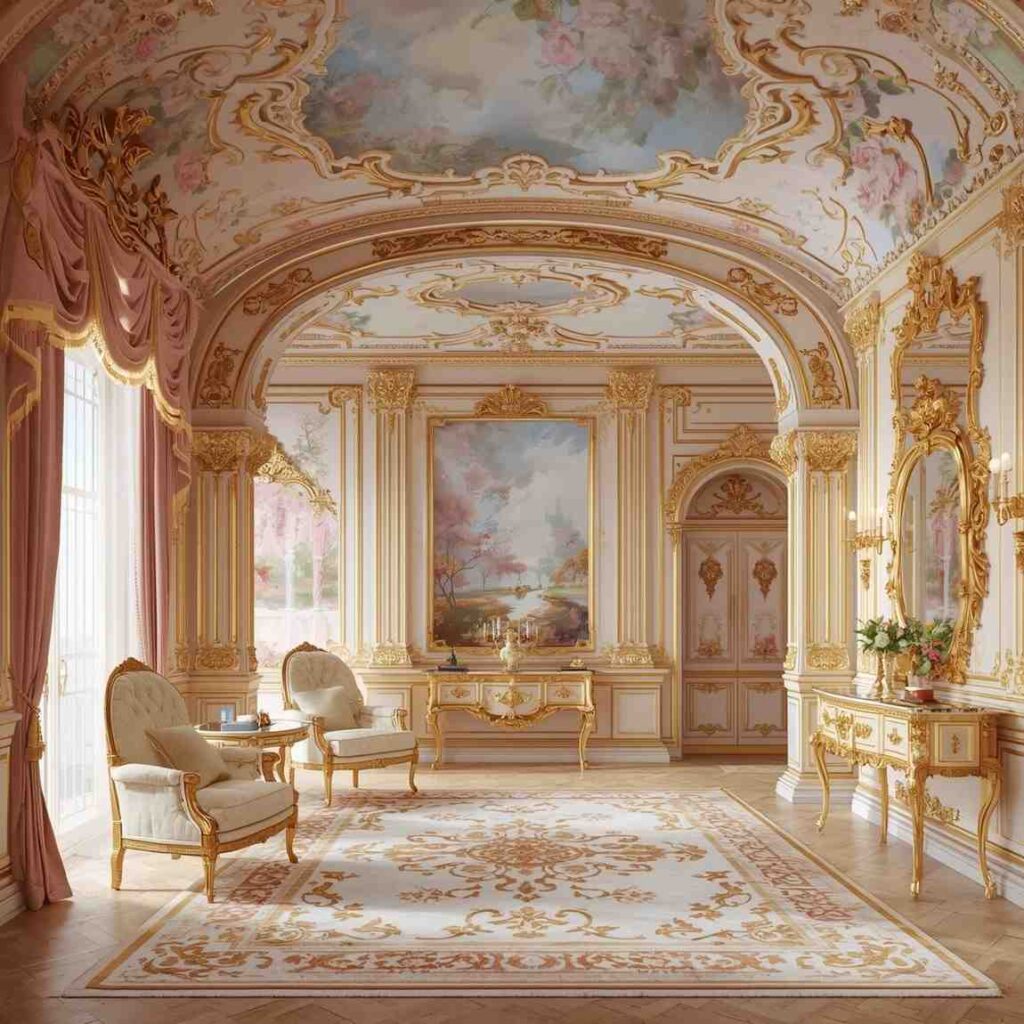
A lighter, more decorative version of Baroque, Rococo focuses on pastel colors, delicate curves, flowers and gold detailing. Interiors feel elegant, airy and playful.
6. Industrial Architecture
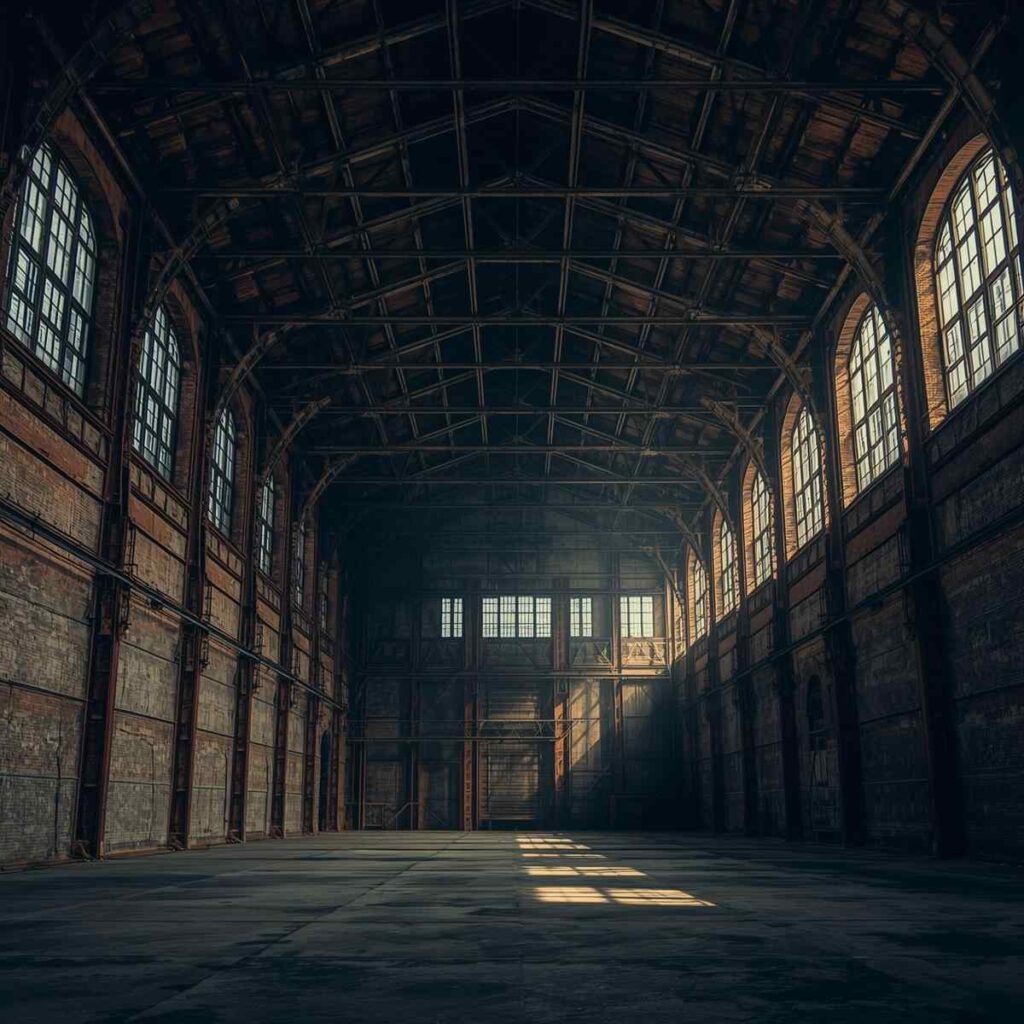
Born during the Industrial Revolution, this style embraces functional simplicity. Factories, warehouses and train stations were built with brick, iron and glass. Today, industrial design inspires modern lofts with exposed beams, large windows, raw concrete and visible mechanical elements.
7. Modern Architecture
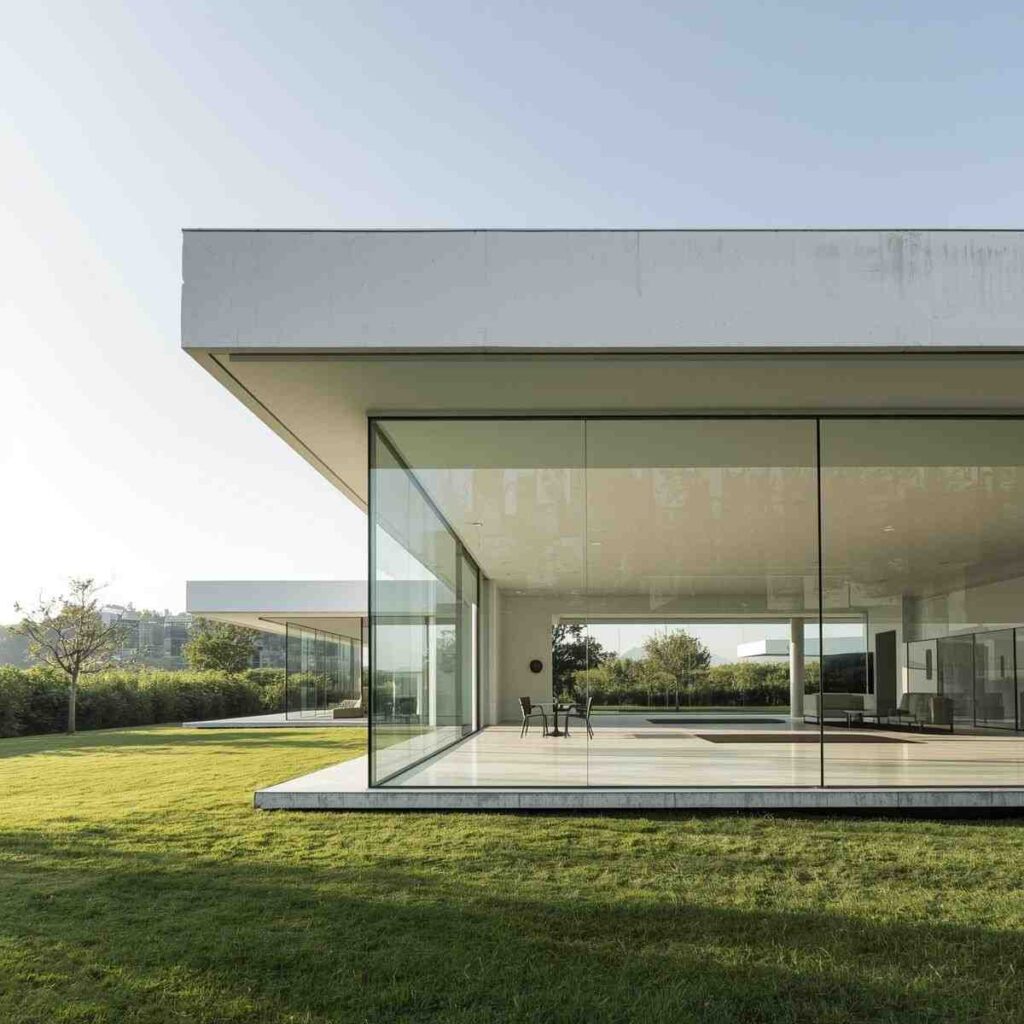
Modern architecture appeared in the early 20th century as a rejection of ornamentation. It emphasizes simplicity, honesty in materials and functional design.
Bauhaus

Focused on minimalism, geometry and functional aesthetics.
International Style

Recognizable by glass curtain walls, steel frames and open floor plans.
Mid-century Modern
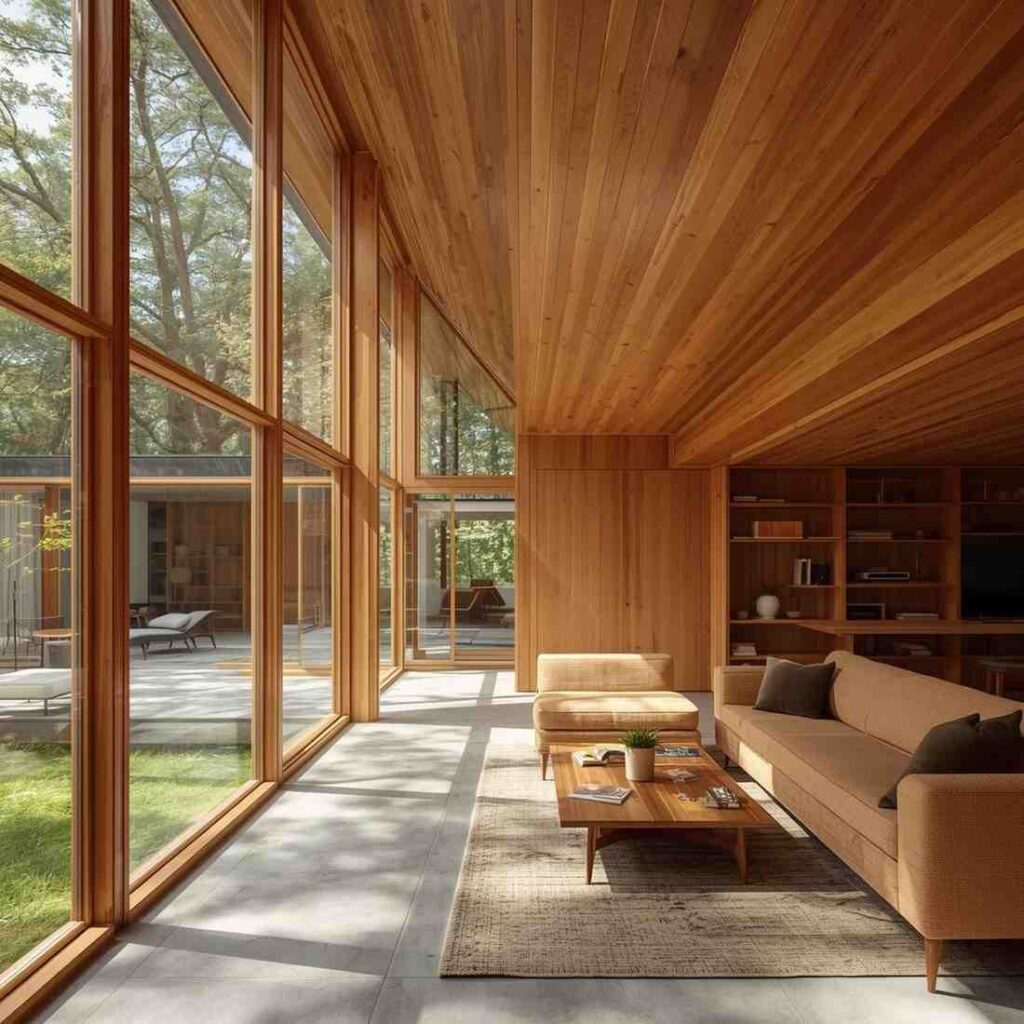
A warm and organic version of modernism, featuring natural wood, flat planes, large windows and a strong indoor–outdoor connection.
8. Postmodern Architecture
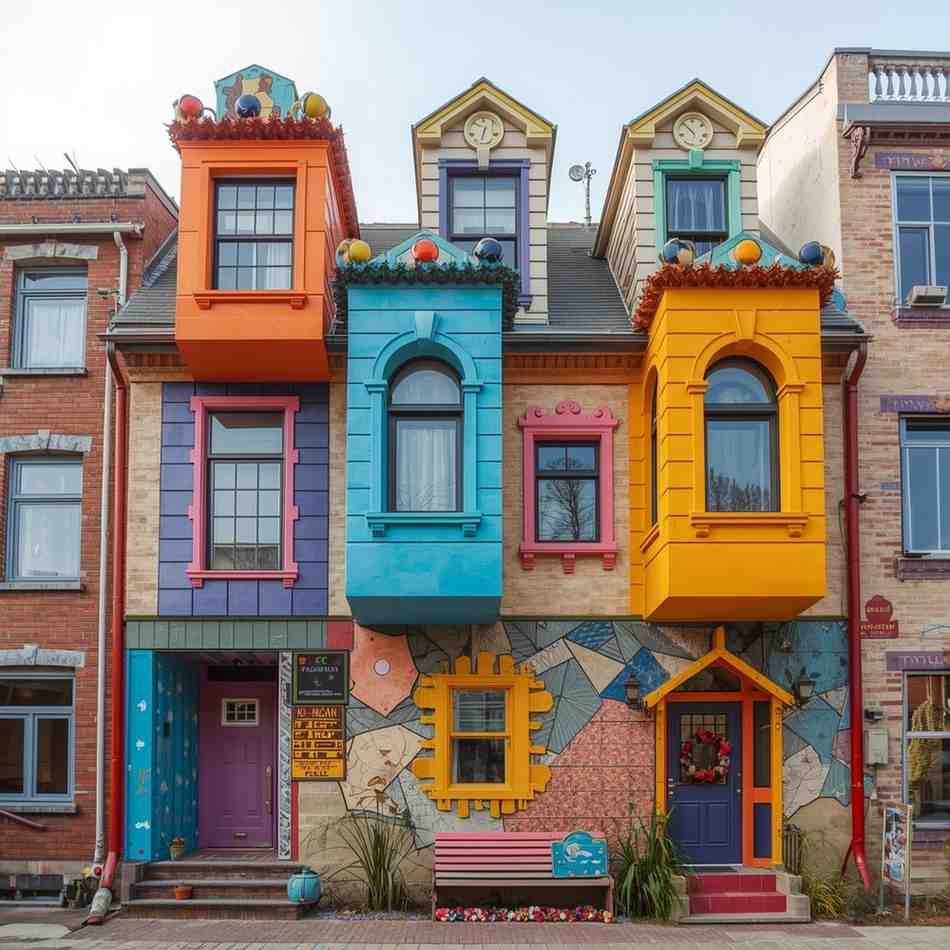
Architectural Styles: Postmodernism emerged in the 1970s as a response to modernism’s simplicity. It reintroduced color, pattern, humor and eclectic forms. Buildings may mix columns, playful shapes, angles and historical references. This style celebrates individuality and freedom of expression.
9. Contemporary Architecture
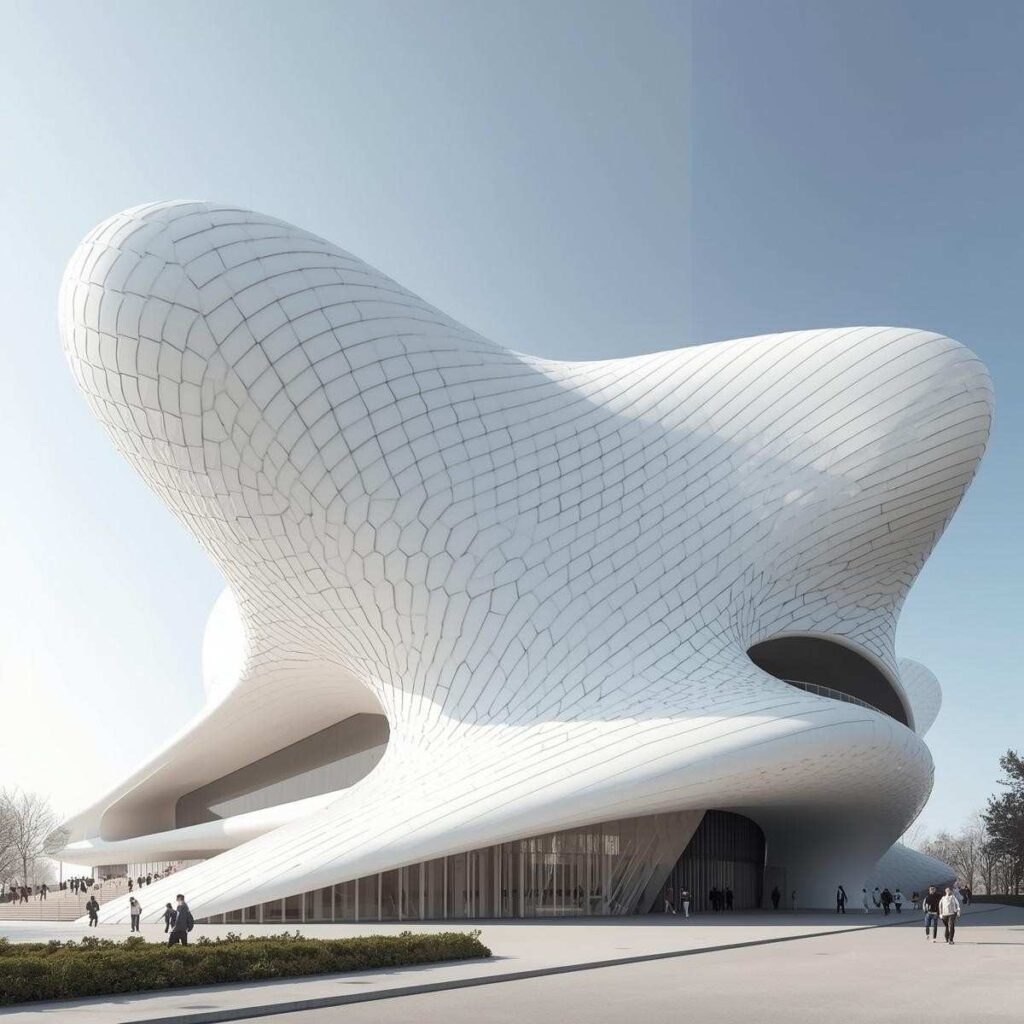
Contemporary architecture represents current design trends: fluid forms, advanced technology, sustainability and experimentation.
Parametric Design
Generated through computational modeling, creating smooth, futuristic shapes.
Biophilic Design
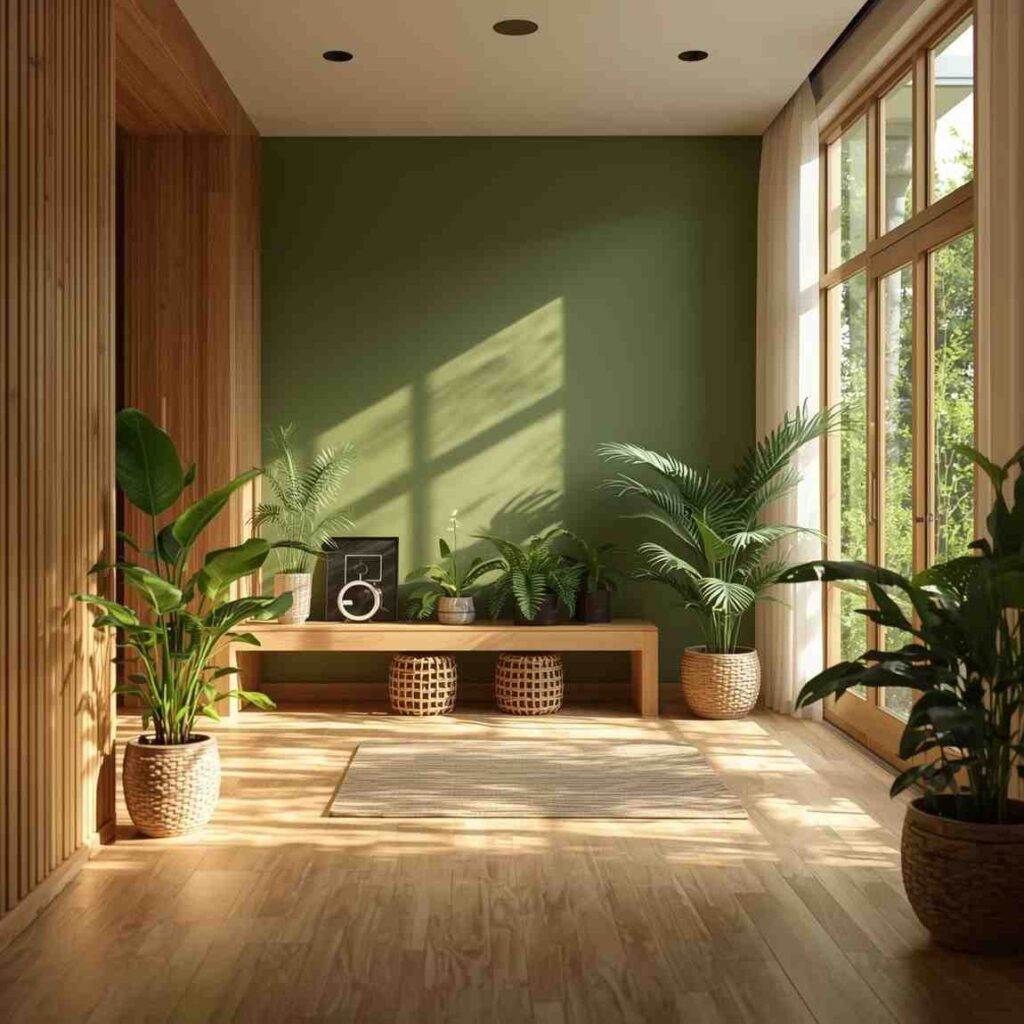
Incorporates natural light, greenery, organic materials and connections to outdoor spaces
Eco-friendly Architecture
Focuses on energy efficiency, renewable materials, and climate-responsive design.
10. Art Deco

Highly popular in the 1920s–30s, Art Deco uses geometric patterns, stepped forms, bold vertical lines, metallic finishes and decorative motifs inspired by technology and travel. This style communicates luxury and modernity, seen in cinemas, hotels and skyscrapers.
11. Art Nouveau
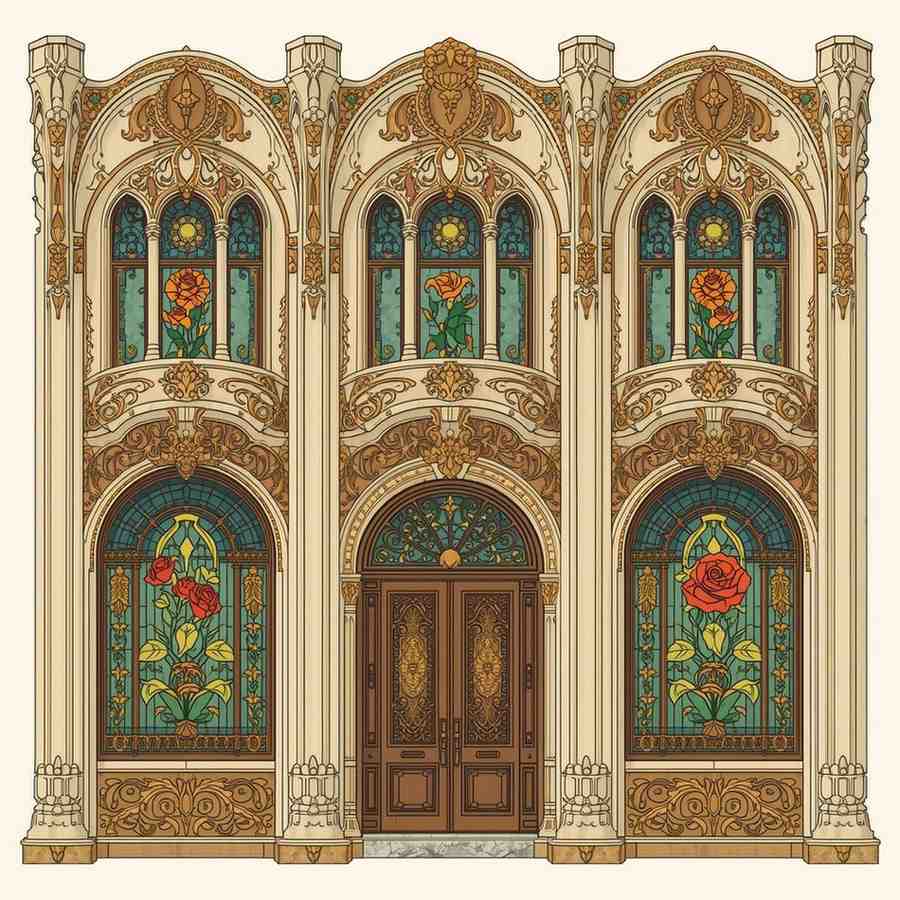
Art Nouveau blends architecture with nature-inspired curves, floral designs, stained glass and handcrafted detailing. It flourished at the end of the 19th century, creating expressive, organic-looking buildings that flow like artwork.
12. Colonial Architecture
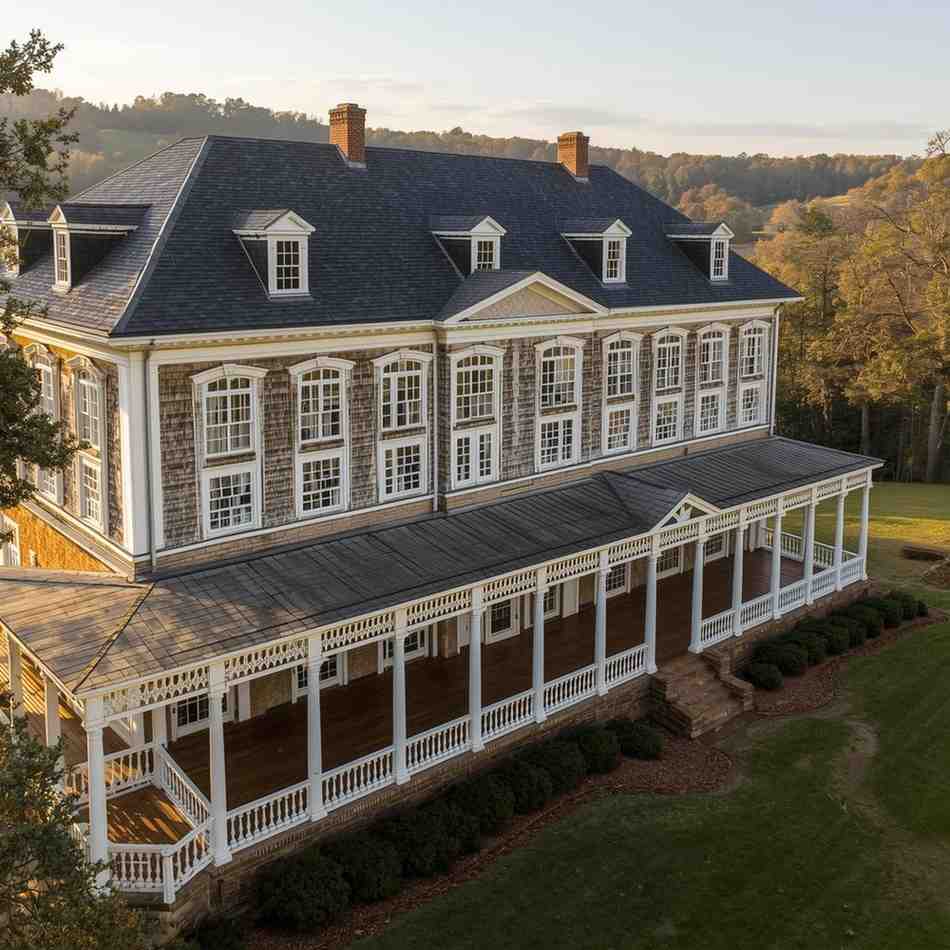
Colonial architecture blends European styles with regional contexts. In Sri Lanka, Dutch and British colonial buildings remain iconic, featuring verandas, large windows, tall columns and symmetrical layouts. These structures combine climatic adaptation with traditional aesthetics.
13. Tropical & Eco Architecture
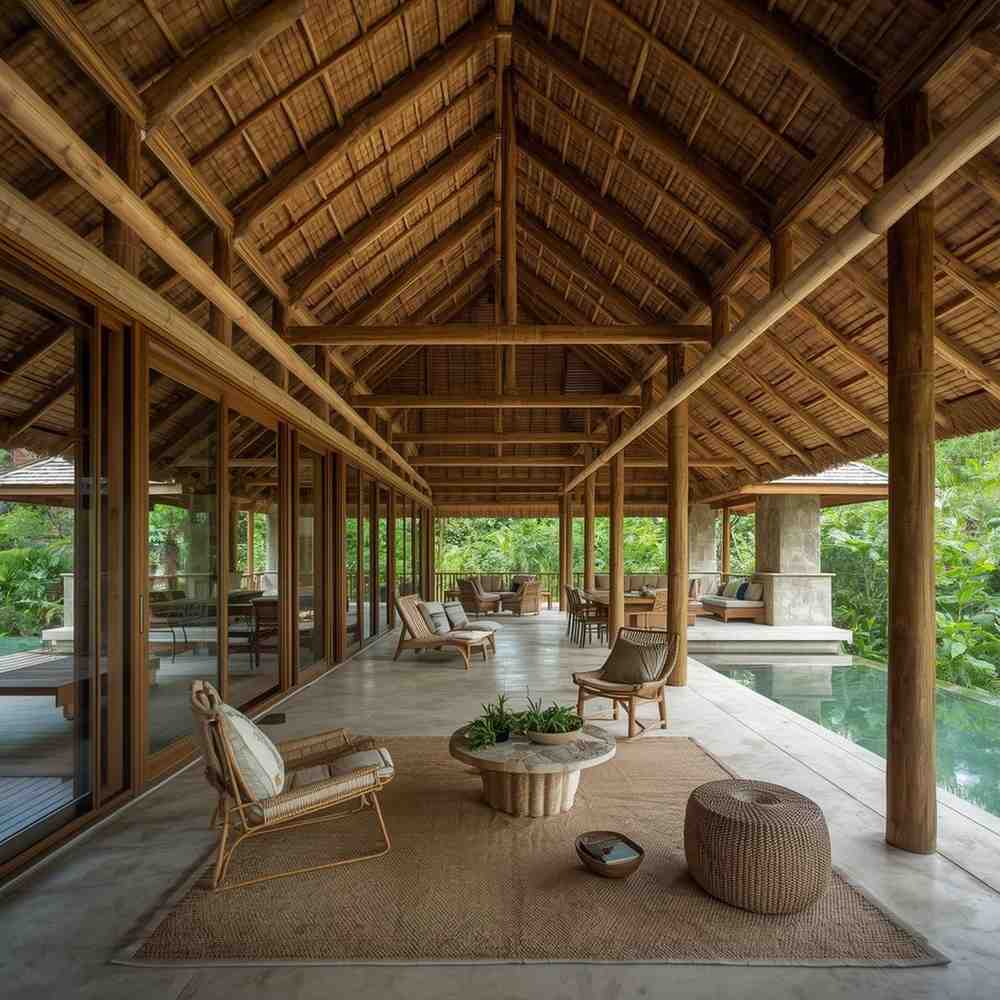
Designed for hot and humid climates, tropical architecture uses passive cooling, natural ventilation and shaded verandas. Materials like timber, clay and stone keep interiors comfortable. Eco architecture builds on these ideas by introducing solar power, rainwater harvesting and low-carbon design.
14. Minimalist Architecture

Minimalism strips design to its essential elements. Clean lines, simple geometry, open spaces and a neutral palette create calm, uncluttered environments. Less visual noise brings focus to materials, light and space quality.
15. High-Tech Architecture
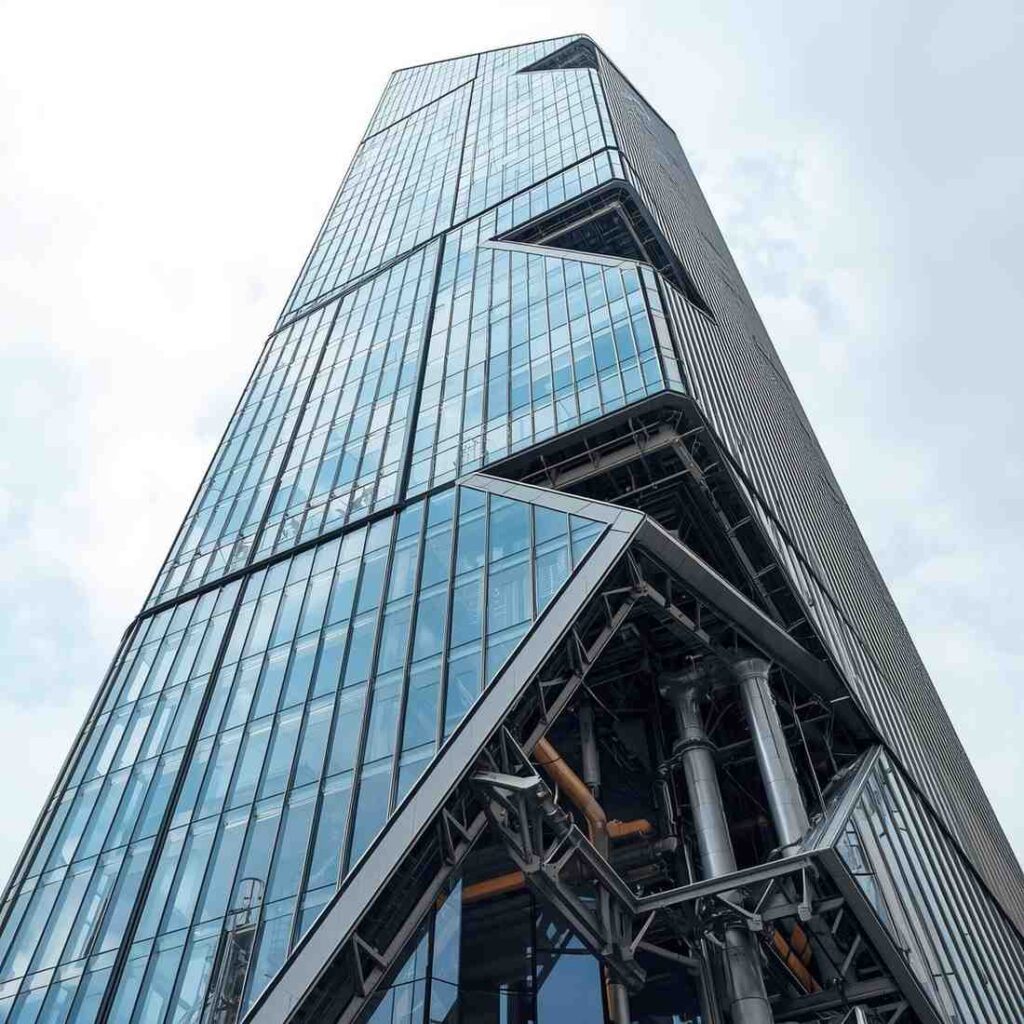
High-tech architecture showcases engineering as part of the aesthetic. Exposed structural frames, visible mechanical systems, glass facades and metallic materials define this futuristic look. These buildings often emphasize innovation, efficiency and transparency.
Final Thoughts
Architectural styles continue to evolve, reflecting changes in culture, technology and environmental awareness. From ancient classical temples to modern parametric skyscrapers, each style offers a unique perspective on how humans shape their spaces. Understanding these styles not only enriches your design knowledge but also helps you choose ideas that match your personal aesthetic or project goals.
FAQ
What are the main types of architectural styles?
There are many architectural styles across history, but the major categories include Classical, Medieval, Renaissance, Baroque, Modern, Postmodern, Contemporary, Tropical, Minimalist, Industrial, and High-Tech. Each style has its own unique features, materials, and design principles.
How do I identify an architectural style in a building?
You can identify an architectural style by looking at elements such as the building’s shape, materials, roof type, windows, columns, ornamentation, and overall symmetry. Features like arches, domes, glass facades, or decorative patterns often indicate a specific style.
Which architectural style is most popular today?
Contemporary architecture is one of the most popular today because it focuses on innovation, sustainability, eco-friendly materials, open spaces, and modern aesthetics. Minimalist and tropical styles are also trending due to their simplicity and climate-responsive design.