Who Was Geoffrey Bawa?
Early Life & Education
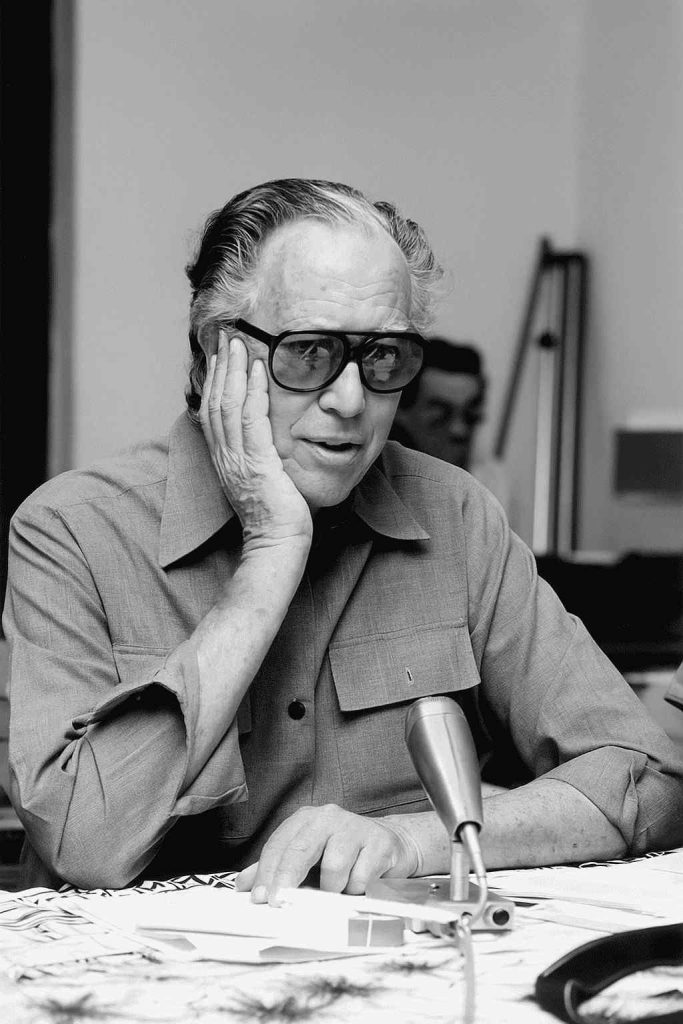
Geoffrey Bawa (1919–2003) was born in Colombo, Sri Lanka, into a family that valued culture and education.
He pursued law in England, training as a barrister at Lincoln’s Inn, but his love for art, travel, and cultural heritage led him to rethink his career.
Though initially a lawyer, Bawa’s exposure to European architecture and landscapes inspired him to embrace architecture as his true calling.
Transition to Architecture
In his late 30s, he returned to Sri Lanka to study architecture formally. He quickly developed a unique vision that combined modernist principles with local climate, culture, and landscape, a style that would later be recognized worldwide as Tropical Modernism.
Philosophy and Inspiration
Bawa drew inspiration from the natural environment, historical architecture, and Sri Lankan culture. He believed architecture should connect with nature, respect local traditions, and enhance the human experience. This philosophy underpins all of his internationally celebrated works.
Table of Contents
What is Tropical Modernism?
Key Principles of Tropical Modernism
Tropical Modernism merges clean, modernist forms with solutions suitable for tropical climates. It emphasizes open-plan layouts, large windows, shaded areas, and materials that interact harmoniously with the environment.
You can read more about modern architecture by visiting this article
Integration with Nature
Bawa’s designs often blur the line between indoors and outdoors, incorporating gardens, water features, courtyards, and native vegetation. This creates buildings that feel naturally integrated into their surroundings.
Sustainability Before It Was Trendy
Long before “green architecture” became a global trend, Bawa employed passive cooling techniques, natural ventilation, and energy-efficient layouts, making his work a blueprint for sustainable, climate-responsive architecture worldwide.
Geoffrey Bawa’s Most Iconic Works
Lunuganga Estate
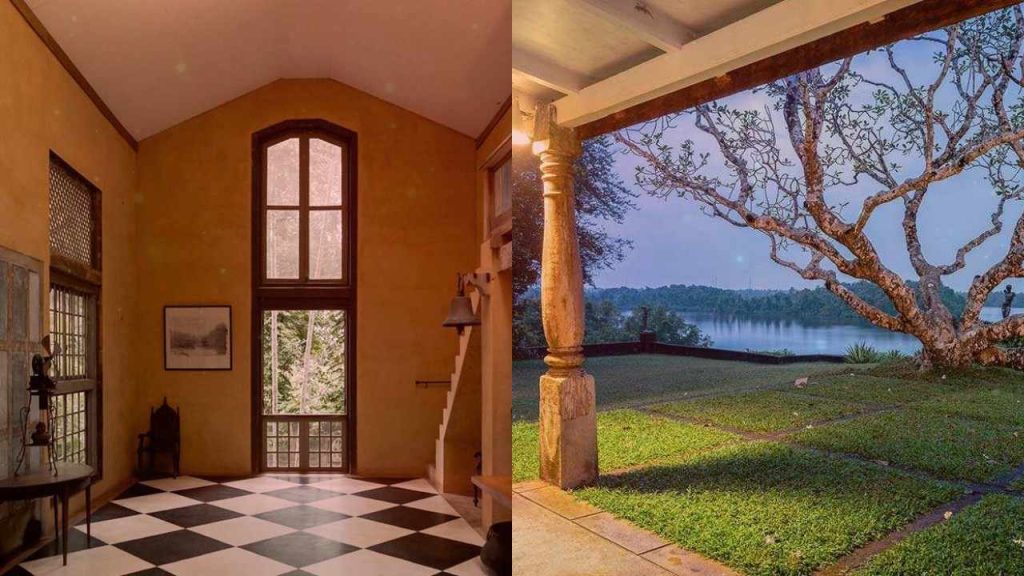
Bawa’s personal country estate, Lunuganga, is a living laboratory of his design philosophy. The estate integrates gardens, architecture, and landscape, showcasing innovative spatial planning and harmonious connections with nature.
Kandalama Hotel (Heritance Kandalama)
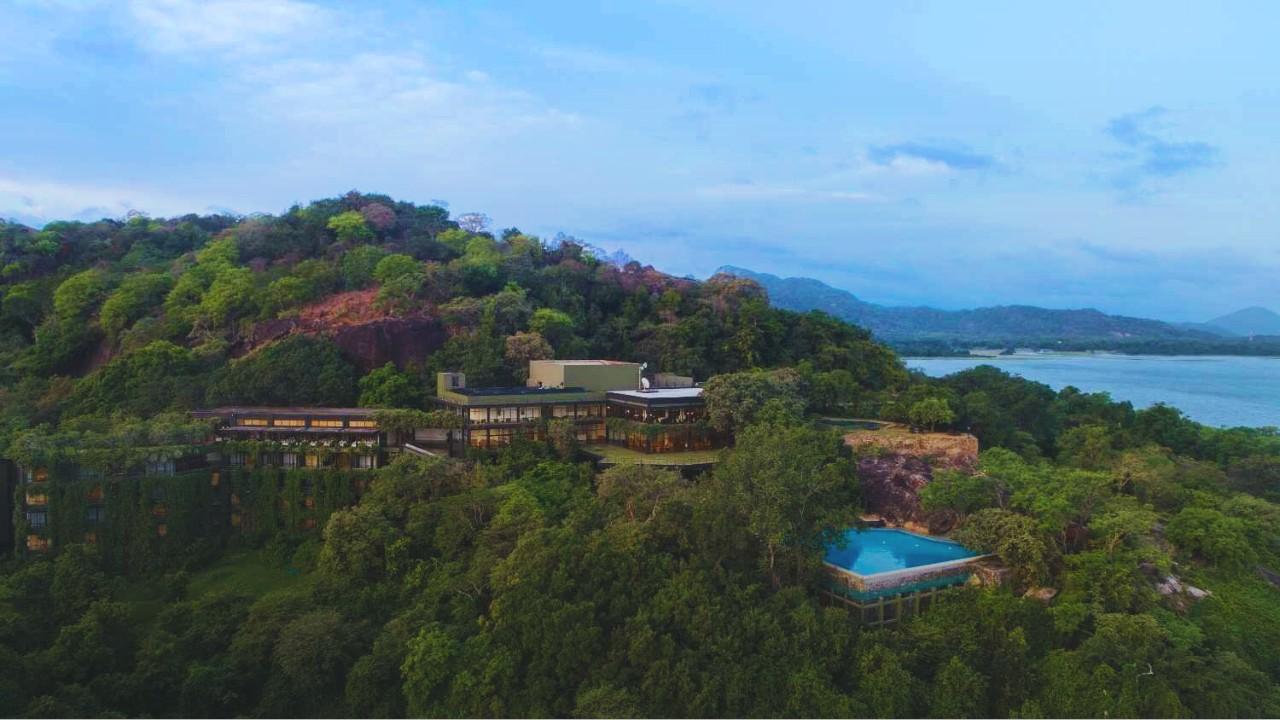
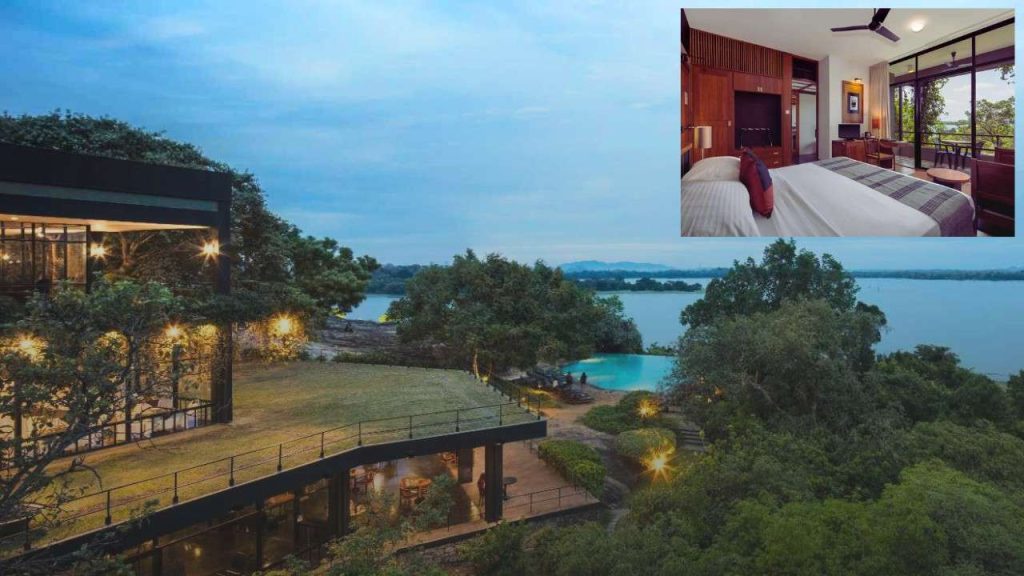
Perched on a cliffside overlooking a reservoir and forest, Kandalama Hotel exemplifies eco-conscious resort design. Its open-air corridors, natural materials, and integration with the surrounding environment have influenced architects globally.
Sri Lankan Parliament Building
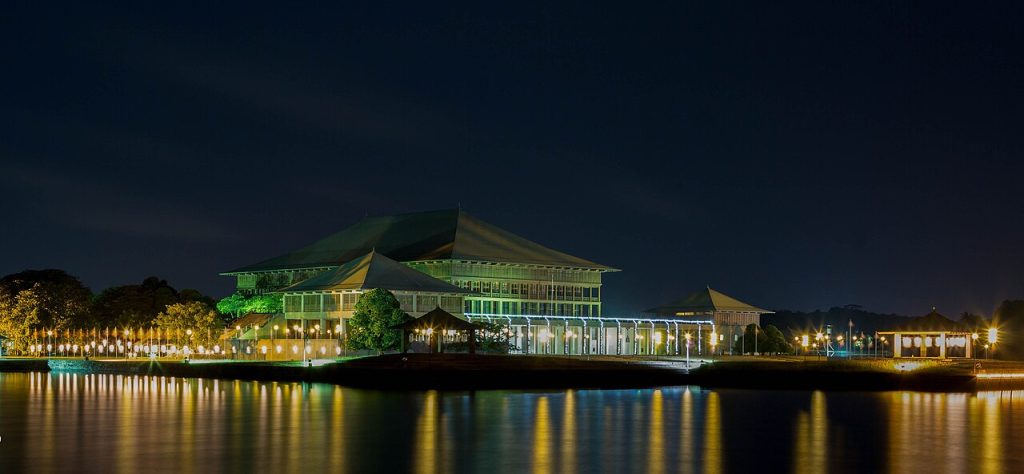
Built on an artificial island, the Parliament combines modernist design with traditional Sri Lankan motifs. Its functional layout, cultural symbolism, and site-specific planning make it a global example of modern civic architecture.
Seema Malaka Temple
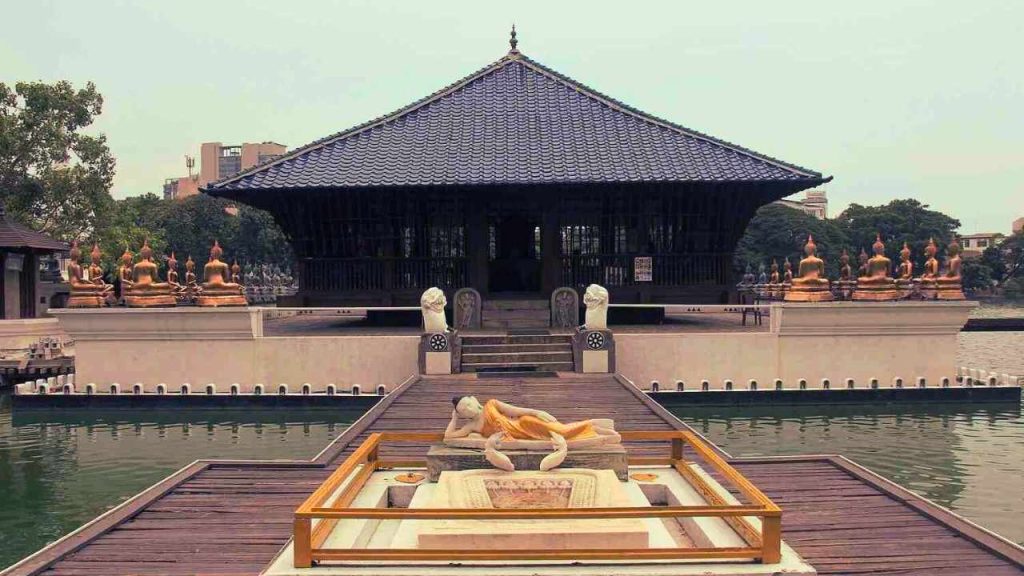
Floating on Beira Lake, this minimalist temple highlights water-based architecture and tranquil design, reflecting Bawa’s mastery in blending spiritual spaces with nature.
Other Notable Projects
Bawa’s Lighthouse Hotel, University of Ruhuna campus, private residences, and cultural centers all showcase his signature style: modernism fused with landscape, climate sensitivity, and cultural context.ony with nature, influencing architects globally.
Bawa’s Global Influence on Modern Architecture
Impact on Asian Architecture
While Geoffrey Bawa’s completed architectural works are almost exclusively in Sri Lanka, his philosophy has had a global reach. He influenced architects designing in tropical climates across Asia, Africa, the Caribbean, and even Europe.
Many architects cite his work in designing eco-resorts, cultural centers, and residential projects that integrate architecture with nature.
Lessons for European and International Architects
Bawa’s principles of passive cooling, site-specific planning, and indoor-outdoor harmony resonate with architects worldwide, particularly in hot and humid regions, offering practical strategies for sustainable architecture.
Legacy in Architecture Education
His work is studied in architecture schools internationally, influencing curricula on eco-conscious design, landscape integration, and modernist innovation. Bawa’s legacy extends far beyond Sri Lanka, inspiring architects to create context-aware, environmentally sensitive structures globally.
Sustainable and Landscape Designs by Geoffrey Bawa
Integration of Architecture and Landscape
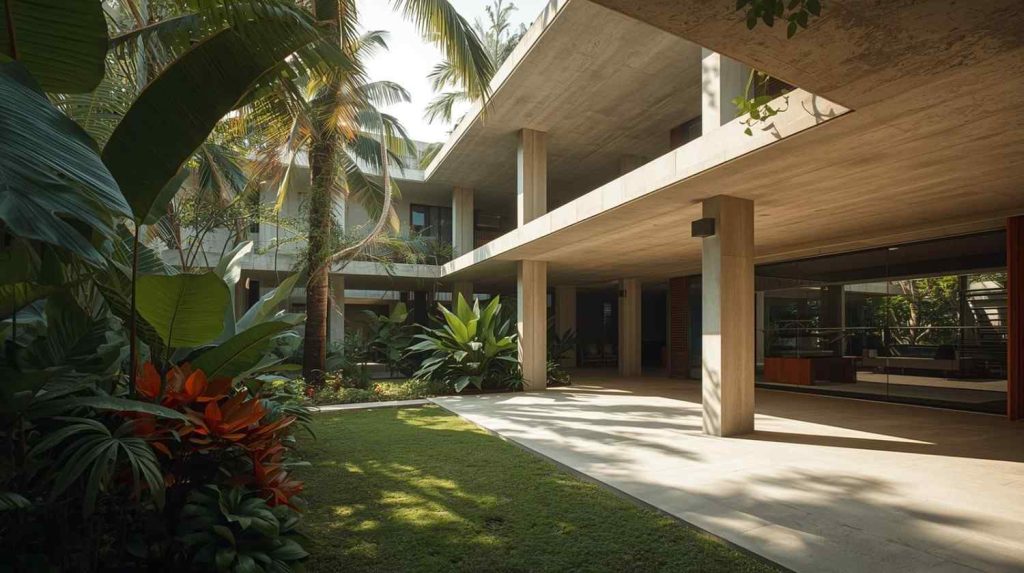
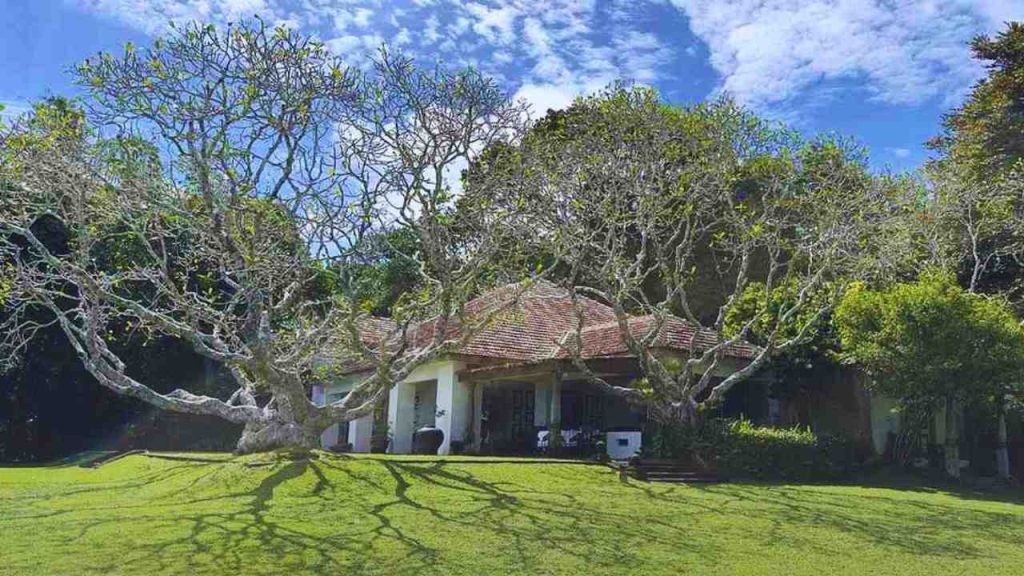
Bawa was a pioneer in blending buildings seamlessly with their surroundings. His estates, hotels, and residences often feature gardens, courtyards, water features, and native vegetation, making the landscape an integral part of the architectural experience.
Bawa was a pioneer in blending buildings seamlessly with their surroundings. His estates, hotels, and residences often feature gardens, courtyards, water features, and native vegetation, making the landscape an integral part of the architectural experience.
Lunuganga Estate is the ultimate example, where gardens and architecture exist in perfect harmony.
Eco-Friendly and Sustainable Design
Bawa’s work emphasized energy efficiency, natural ventilation, and passive cooling, long before sustainability became a global trend.
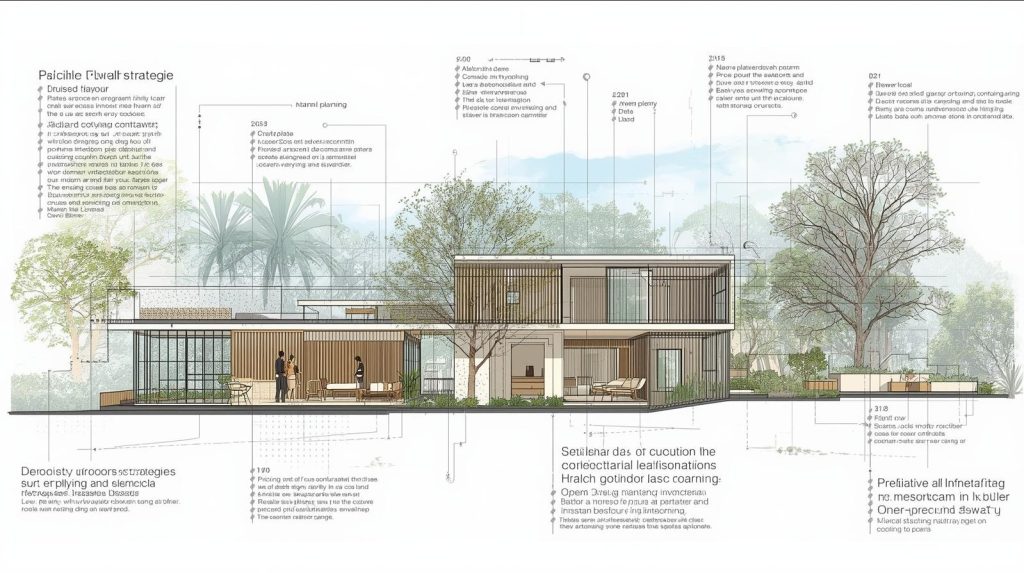
Roof overhangs, open corridors, and courtyards reduced heat and maximized airflow, demonstrating eco-conscious solutions that modern architects worldwide continue to adopt.
Use of Local Materials and Craftsmanship
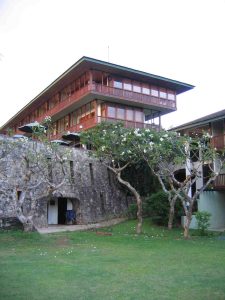
He often used local stone, wood, and clay, supporting local craftspeople and reducing the environmental footprint of construction. This approach reinforced the connection between architecture and the natural, cultural, and economic environment.
Image refers to the Benthota Beach Hotel at Sri Lanka
Legacy in Sustainable Architecture
Bawa’s sustainable design strategies remain highly influential. His approach to integrating nature, culture, and climate-responsive design serves as a blueprint for architects and planners creating environmentally responsible and visually compelling buildings globally.
Why Geoffrey Bawa Still Matters Today
Sustainability & Climate-Responsive Design
Bawa’s approach emphasizes eco-friendly construction, natural ventilation, and energy efficiency, principles that are more relevant than ever in today’s climate-conscious world.
Cultural Integration in Architecture
He demonstrated how architecture can respect local culture while remaining modern, offering a blueprint for architects who aim to design globally while staying rooted in local context.
Inspiration for Future Generations
Architects, designers, and urban planners worldwide continue to study Bawa’s work to learn how to balance aesthetic beauty with environmental responsibility, making him an enduring figure in global modern architecture.
FAQ:
Who was Geoffrey Bawa?
Geoffrey Bawa (1919–2003) was a world-renowned Sri Lankan architect and pioneer of Tropical Modernism, known for blending modernist design with nature, culture, and climate-responsive architecture.
What is Tropical Modernism?
Tropical Modernism is an architectural style that adapts modernist principles to hot and humid climates. It emphasizes natural ventilation, open spaces, shaded areas, and harmony with nature, a style that popularized across the globe.
What are Geoffrey Bawa’s most famous works?
Some of Bawa’s iconic projects include Lunuganga Estate, Kandalama Hotel, Seema Malaka Temple, Lighthouse Hotel, and the Sri Lankan Parliament Building, all of which showcase his unique blend of modernism and context-sensitive design.