Introduction: The Rise of Small House Living
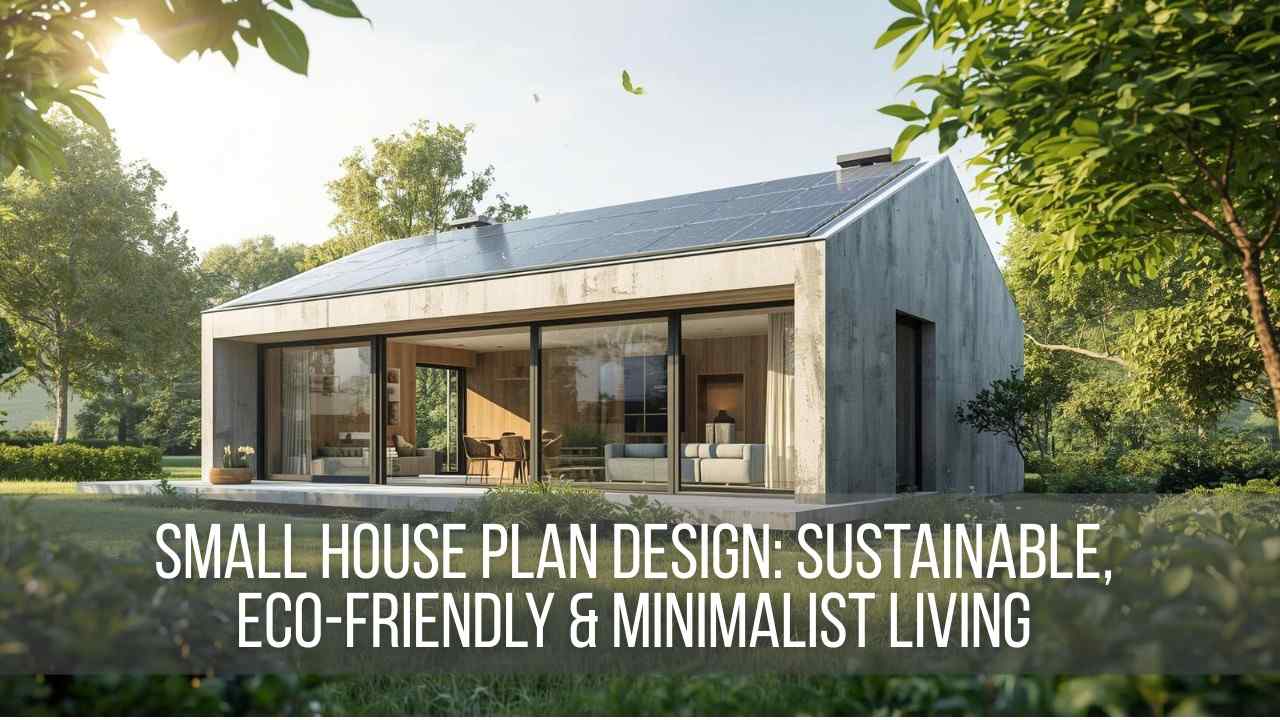
Small House Plan Design: In today’s world, the concept of less is more is shaping how we design and build our homes. Small house plans are no longer just about saving space; they represent a lifestyle that blends affordability, sustainability, and minimalism. With growing concerns about climate change, urban density, and rising housing costs, many homeowners are turning to small house designs that are eco-friendly, stylish, and functional.
This article explores how small house plans can be both beautiful and practical while embracing sustainability and minimalist design principles.
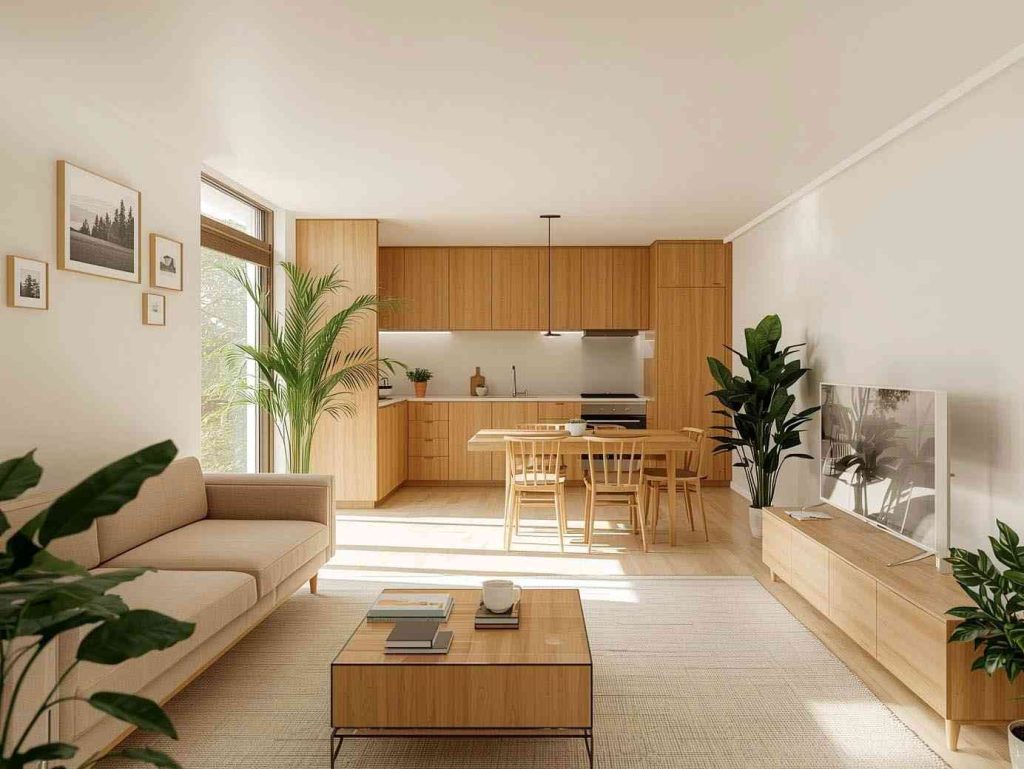
Benefits of Small House Plans
1. Cost-Effective Construction
Building a smaller home requires fewer materials, less labor, and reduced construction costs. It’s a financially smart choice for individuals, couples, or small families.
2. Energy Efficiency
A compact layout consumes less energy for heating, cooling, and lighting. This not only lowers utility bills but also reduces environmental impact.
3. Encourages Minimalism
Limited space naturally promotes a clutter-free lifestyle, helping homeowners focus on essentials rather than unnecessary possessions.
4. Faster Maintenance
A smaller house is easier to clean, repair, and maintain compared to larger homes, freeing up time and resources.
Sustainability in Small House Design
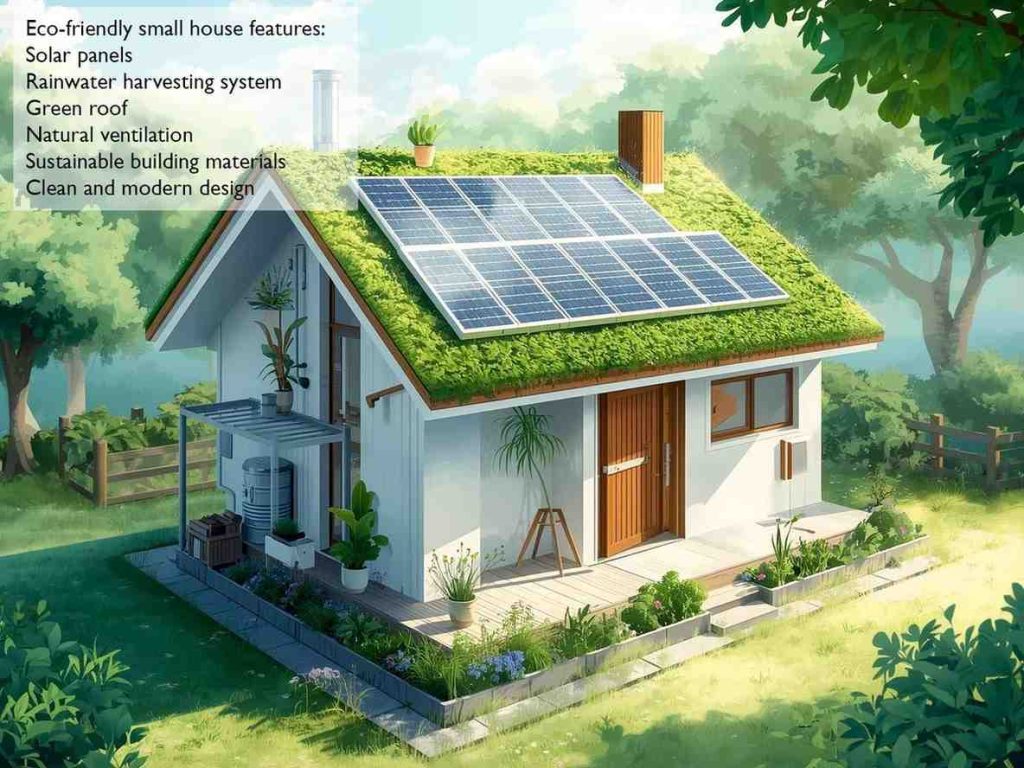
Sustainability is at the core of modern small house planning. Key features include:
- Renewable Materials: Using bamboo, reclaimed wood, and recycled steel reduces environmental impact.
- Energy-Efficient Systems: LED lighting, insulated windows, and low-energy appliances cut down on power consumption.
- Renewable Energy Integration: Solar panels, wind turbines, or geothermal heating can make small homes nearly self-sufficient.
- Water Conservation: Rainwater harvesting systems and low-flow fixtures minimize water waste.
By incorporating these elements, small houses can drastically reduce their ecological footprint while enhancing comfort.
Read more about minimalist architecture click the link
Table of Contents
Eco-Friendly Design Principles
Designing a sustainable home isn’t just about energy; it’s also about creating harmony with nature:
- Passive Design: Positioning the home to maximize natural light and airflow reduces dependency on artificial cooling and lighting.
- Green Roofs & Vertical Gardens: These add insulation, improve air quality, and create a natural aesthetic.
- Natural Materials: Stone, clay, and untreated wood provide a healthy indoor environment with minimal toxins.
- Eco Landscaping: Native plants require less water and maintenance while supporting local biodiversity.
Small House Plan Design for Minimalist Design Approach
Minimalism is more than a style; it’s a mindset. In small house planning, minimalist design ensures beauty and function in every square foot.
- Open Floor Plans: Removing unnecessary walls makes the space feel larger and more inviting.
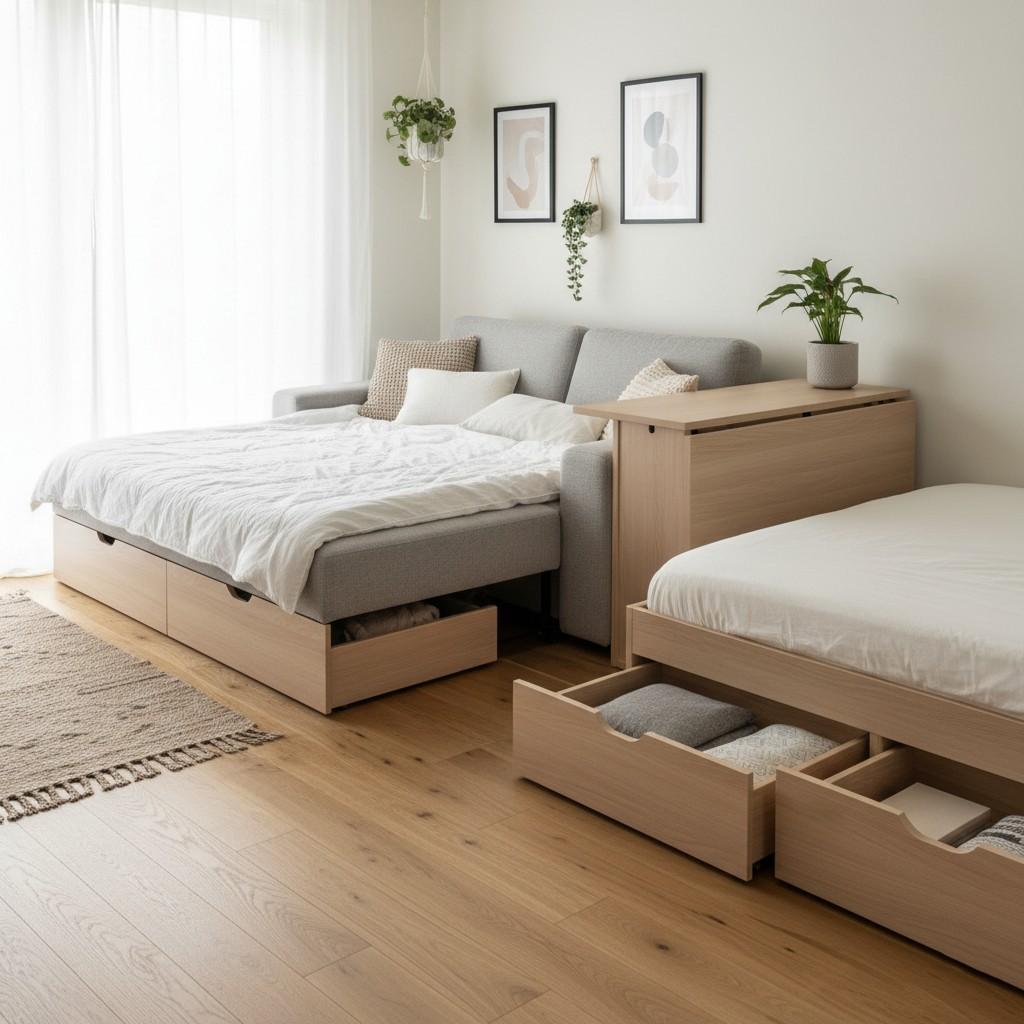
- Multi-Functional Furniture: Beds with storage, foldable dining tables, and sofa-beds maximize usability.
- Neutral Color Palettes: Soft, natural tones make rooms appear spacious and calming.
- Decluttered Aesthetics: A focus on simplicity reduces stress and enhances comfort.
Minimalist small houses show that simplicity can be elegant.
Key Features of an Ideal Small House Plan
- Efficient Kitchen Layout – A compact kitchen with built-in storage, open shelving, and energy-efficient appliances.
- Smart Bathroom Design – Walk-in showers, wall-mounted sinks, and space-saving fixtures.
- Outdoor Integration – Patios, balconies, or sliding glass doors connecting indoor and outdoor spaces.
- Flexible Rooms – A single space that can serve as a home office, guest room, or entertainment area.
- Ample Storage Solutions – Hidden storage, under-stair drawers, and built-in cabinets.
Practical Tips for Designing a Small Sustainable Home
- Smart Orientation: Place windows to capture sunlight during winter and shade in summer.
- Quality Over Quantity: Invest in durable, sustainable materials that last longer.
- Local Resources: Choose locally sourced wood, stone, or clay to reduce transport emissions.
- Modular Design: Consider prefabricated modular units for quicker, greener construction.
These practical choices make small homes not only eco-friendly but also highly livable.
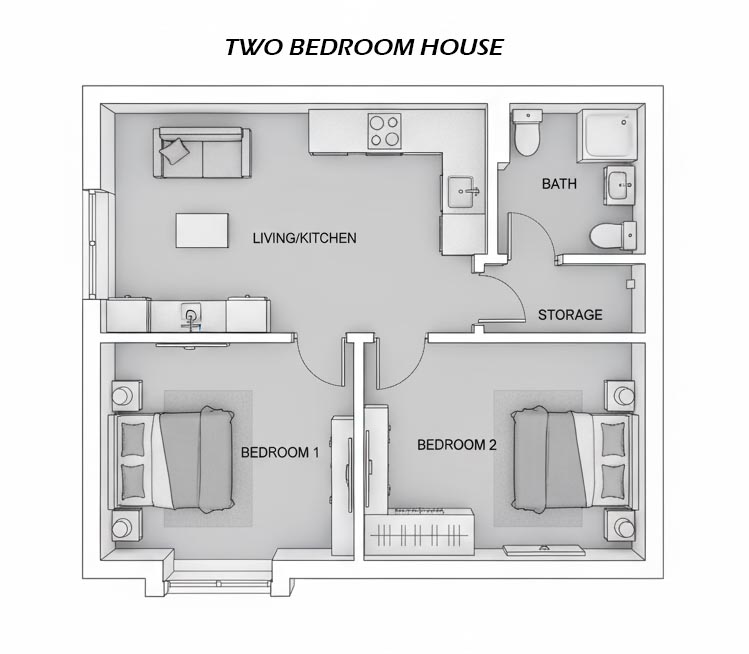
Examples & Inspiration
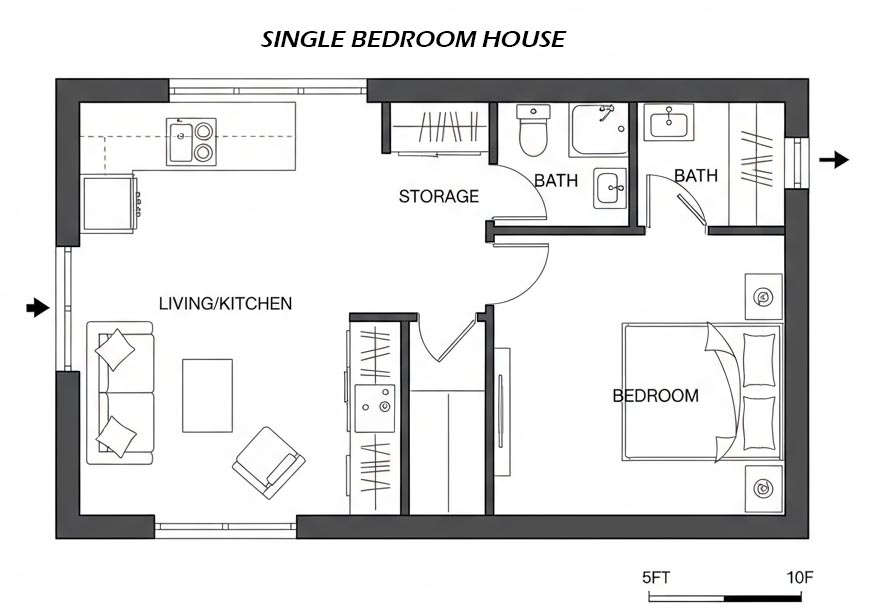
- Studio Layout – Ideal for singles, featuring an open-plan kitchen, living, and sleeping area.
- Loft Design – A raised sleeping area creates extra space below for work or relaxation.
- One-Bedroom Plan – Perfect for couples, with a functional living room and small outdoor deck.
- Container Homes – Converted shipping containers provide an affordable and eco-conscious small house option.
These examples prove that small homes can be cozy, sustainable, and stylish without sacrificing comfort.
Conclusion: The Future of Small Sustainable Living
Small house plan design is more than just an architectural trend; it’s a sustainable lifestyle choice. By combining eco-friendly practices, minimalist design, and smart space utilization, homeowners can enjoy a healthier, more affordable, and environmentally conscious way of living.
As cities grow and resources become scarcer, small sustainable houses will play a big role in shaping the future of residential architecture.
FAQs
What makes a house plan sustainable?
A sustainable house plan uses eco-friendly materials, energy-efficient systems, and smart design that reduces environmental impact while improving comfort.
How can I make my small house more eco-friendly?
You can install solar panels, improve insulation, harvest rainwater, and use multi-functional furniture made from natural materials.
Is minimalist design suitable for families?
Yes. Minimalist design works well for families by emphasizing functionality, storage solutions, and clutter-free living that maximizes space.